Best Snorkeling in Alor
5 min read · Field guide
Alor needs a straight answer before anything else: it is a diving destination. This archipelago in Indonesia's far east — between Flores and the Timor Sea, in East Nusa Tenggara — is famous for current-fed channels and steep reef walls in the Alor and Pantar straits, and that is genuine, world-class dive water that snorkelers cannot substitute for. What Alor also has, and what this guide covers, is real sheltered shallow reef: Kalabahi Bay and the fringing tops around Pulau Pura, where you can get in on a calm day and see healthy coral and fish. Read this as 'I am going to Alor to dive, and I would like to snorkel properly while I am there'.
Seasonal guidance, not a forecast — no live tide tables, weather or marine advisories here; check local conditions before you go.
Why Alor is great for diving — and what that means for snorkeling
Alor's reputation rests on the straits. The channels between Alor and Pantar funnel a great volume of water on every tide change, and the result is dense coral, big fish, strong currents and steep walls or slopes that drop away into blue. Dive operators and liveaboards route through here for exactly that reason, and the region has the infrastructure a dive trip needs: dive resorts near Kalabahi, boats, guides and a working knowledge of when each site is runnable.
That same current is what makes the headline sites unsuitable for a snorkeler. Above a wall in a running strait you are not looking at the site; you are holding position over its edge while the water moves. So the honest position is that Alor's marquee water is not snorkel water, and this catalog labels it that way rather than upgrading it.
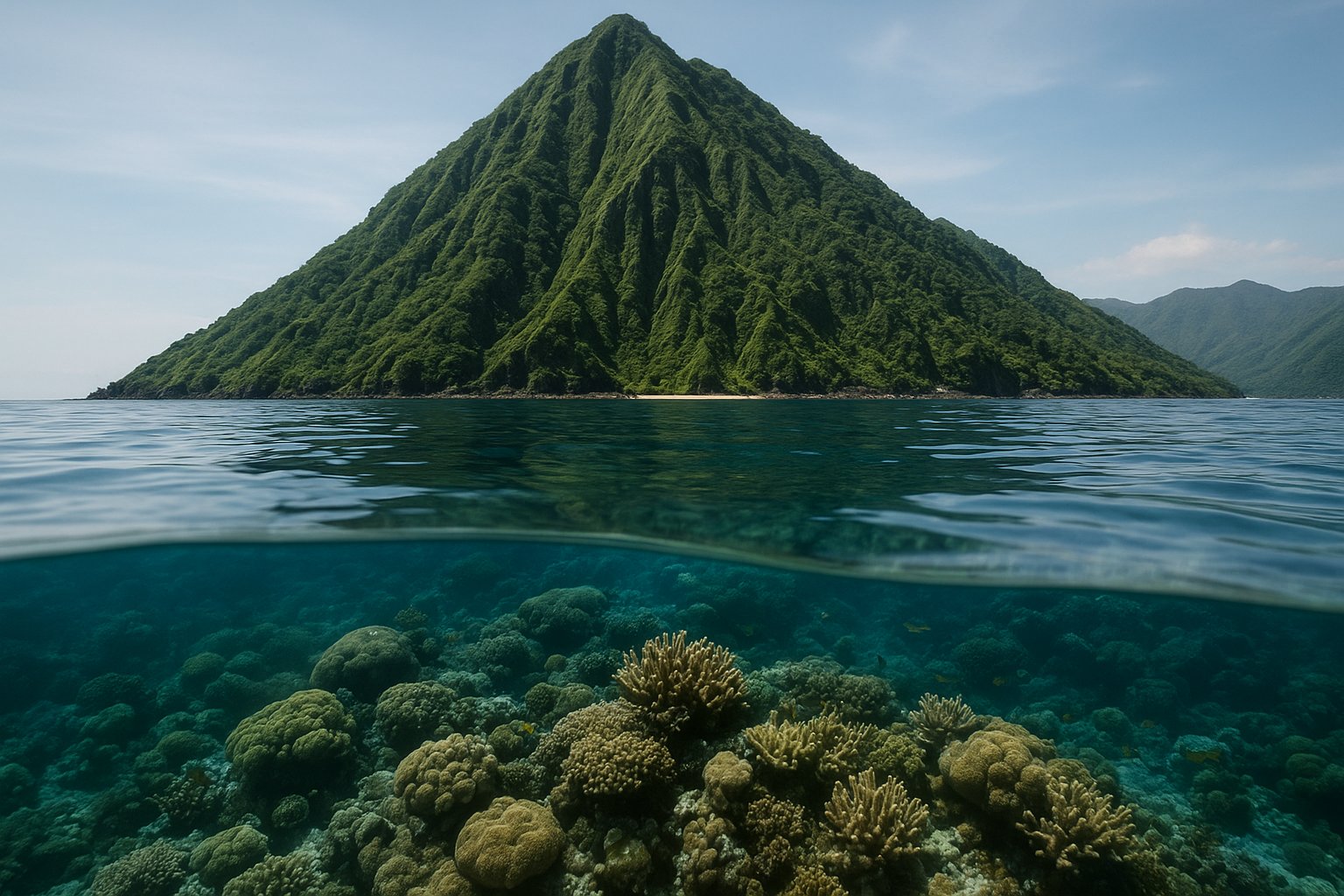
The good news is that Alor is not only its straits. In the lee of the islands, and in the bay at Kalabahi, the water is shallow, sheltered and often clear, and there is genuine fringing reef to snorkel. It is smaller, calmer and less dramatic than the diving — and it is real.
- The famous strait sites are dive sites, at depth and in current
- Snorkeling here means sheltered shallow reef, not the drop-offs
- Kalabahi Bay is the practical base and the easiest water to get into
- Pulau Pura's reef tops are snorkelable in a slack-tide window only
The snorkeling that genuinely exists here
Kalabahi Bay is where to start, and for many visitors where the snorkeling happens. The bay sits in the lee of Alor island at the town that serves as the region's base, and it holds shallow fringing coral, seagrass and mangrove-fringed water you can get into from the shore. The dive boats also use the bay for their black-sand and muck sites, so the infrastructure is all there. It is town water as well as reef water, so ask what visibility is like before you go.
Pulau Pura sits in the middle of the strait, and its reef tops carry coral and fish in genuinely clear water. The catch is the current: with the tide running, even the shallow tops are a guided exercise rather than a casual swim. In a slack window, with a skipper who knows the flow, this is the best shallow snorkeling in the region. Anchor your plan to the tide table rather than to your own schedule.
Everything else — the walls, the channels, the famous drift sites — is dive water, and it belongs in your trip only if you are diving. If you are, and you are travelling with a snorkeler, say so to the operator in advance and ask what shallow water they can build in between dives.
When to go & conditions
Alor runs on the same broad pattern as the rest of eastern Indonesia: a drier, calmer season and a wetter one, with the shoulders between them often the most comfortable. The exact months vary year to year and by source, so treat this honestly — check with an operator working in the region for the window you are considering rather than planning off a general rule.
Two conditions matter more than the season label. The first is wind and swell, which decide whether the exposed strait sites are runnable at all and whether a crossing is comfortable. The second is the tide, because the currents in these straits are what make the diving good and the snorkeling tricky: the same place can be a gentle swim or unswimmable an hour apart. Local operators plan around both.
Visibility is variable too — plankton-rich upwelling water is what feeds these reefs, and it also reduces how far you can see. Verify the day's conditions locally, and accept that a good skipper will move the plan rather than cancel it.
Practical tips
Travel with your own mask, snorkel and fins: rental in Alor is thin, and this is not the place to discover that your mask leaks. Reef booties and a rashguard or thin shorty are worth packing even in warm water, and a light wetsuit layer helps if you are doing long sessions or repeated days.
Plan the access honestly. Alor is reached by domestic flight — via Kupang or Makassar, depending on routing — and then by road to Kalabahi, and inter-island movement is by local boat. This is remote Indonesian travel with limited medical facilities and a long way to a serious hospital, so insurance that covers evacuation is not optional.
Book diving and snorkeling through operators who work the region rather than arranging it yourself from the beach. The value they add here is genuine: they know the tide windows, the current, which side of an island is calm, and how to get you back if the weather turns.
Finally, respect the protected areas. Parts of Alor's straits and coast sit inside marine-protection arrangements with local rules on fishing, anchoring and take. Ask what applies where you are swimming, keep off the coral, and see the travel admin panel on the destination page for verified entry, health and emergency information.
Planning this trip?
Get the whole journey built end-to-end — flights, stays, boat days, gear and day-by-day timing notes — by the Double Fathom Concierge for a one-time $29. Re-plan any time, chat support through the trip, a destination-specific packing list, curated off-menu operators, and a printable offline PDF itinerary.
Secure checkout by Stripe — pay by card, receipt by email. A one-time, per-trip purchase — nothing recurring, and no rush either way.
Get the occasional best-reef dispatch
Trip-planning tips, seasonal reef picks and new-destination notes. No spam, unsubscribe anytime.
Explore the destination
Be clear about what this is. Alor is an archipelago in Indonesia's far east, between Flores and the Timor Sea, and it is a diving destination: the Alor Strait's current-swept channels and steep walls are what people cross the country for, and they are experienced-diver water. Snorkeling here is real, but it is the smaller half — sheltered shallow reef in Kalabahi Bay and around Pulau Pura, where you can get in on a calm day and see healthy coral and fish. Read this page as a dive trip with a snorkelable corner, not as another Coral Triangle snorkel destination.
Alor destination guide →