Best Snorkeling in the Canary Islands
5 min read · Field guide
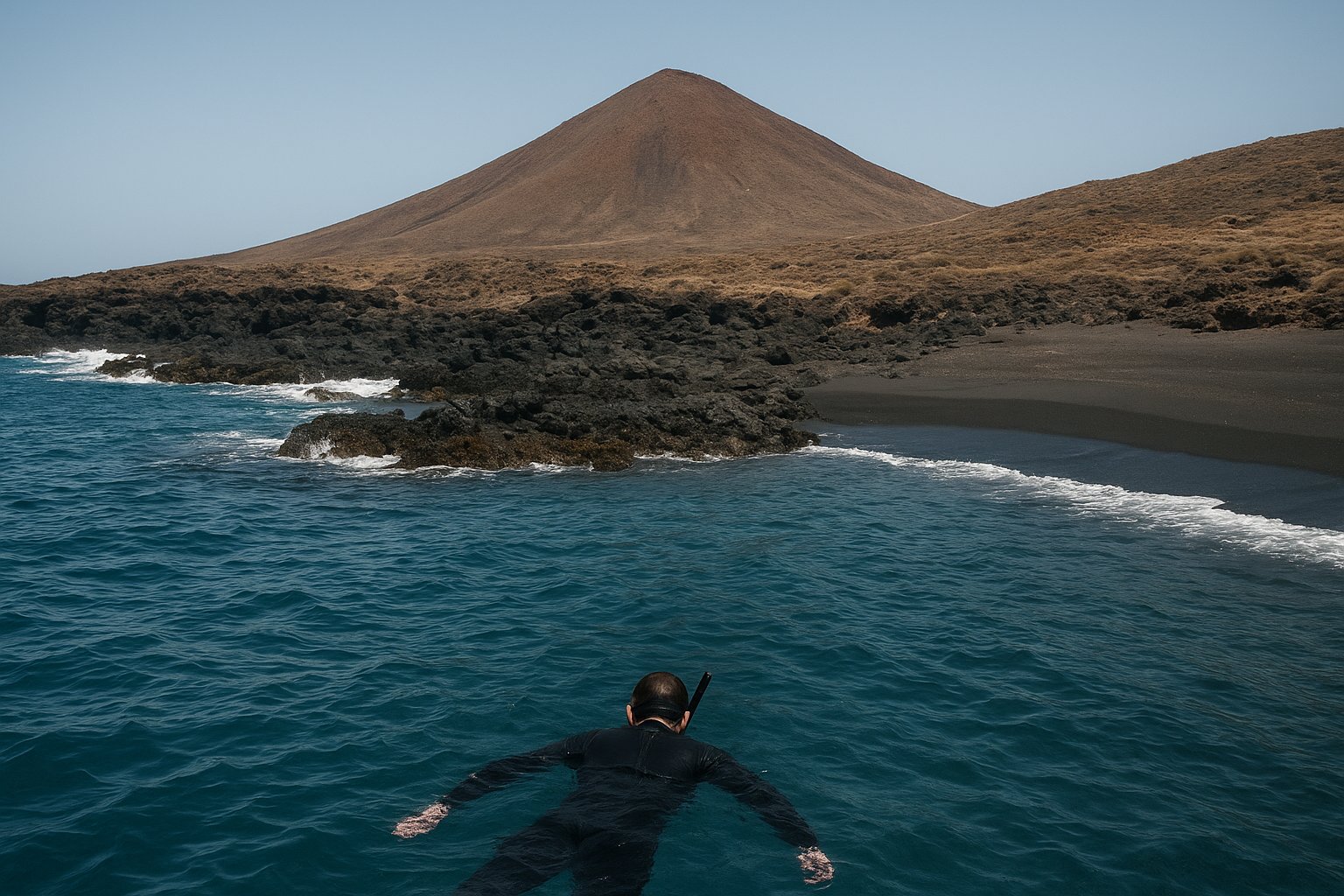
The Canary Islands are not the Caribbean and not the Mediterranean — they are Macaronesia, a chain of volcanic islands in the eastern Atlantic off the Moroccan coast, and they snorkel accordingly. Expect rock and shallow reef rather than coral gardens, a handful of sheltered bays where getting in is genuinely easy, resident green turtles in Tenerife's south-west coves, a marine reserve over a volcanic seabed on El Hierro, and water that runs cooler than the tropics, so a thin wetsuit is normal rather than optional. In exchange you get a destination that works outside the Caribbean season and a coastline that changes completely from one island to the next.
Seasonal guidance, not a forecast — no live tide tables, weather or marine advisories here; check local conditions before you go.
Why the Canary Islands are worth snorkeling
The islands are volcanic, and that shows underwater: rock, boulders and shallow reef rather than the coral structures a Caribbean trip is built on. The compensation is accessibility and consistency. Several beaches and coves are genuinely easy to get in from, the water is clear in the settled seasons, and the islands sit in the trade winds in a way that usually means one coast is calm while another is rough.
They also fill a gap in a snorkeling calendar. This is warm Atlantic water that stays swimable through the year — cool rather than tropical, so a shorty or thin wetsuit is standard, but workable when the Caribbean and the Mediterranean are out of season for you. And because the island group is large, a trip can mix very different coasts: resort coves, urban beaches, a rugged southern tip with a marine reserve.
- Four islands with genuinely different coasts, all reachable in one trip
- Easy shore entries in sheltered bays, with no boat day required
- Volcanic rock, boulders and shallow reef rather than coral
- Warm eastern-Atlantic water that works outside the Caribbean season
Best sites to prioritize
On Lanzarote, Playa Chica at Puerto del Carmen is the island's established shore-dive and snorkel bay: a small sheltered cove with an easy entry over sand and rock, fish in shallow water, and no boat needed. It is also a working dive bay, so expect diver entry lines and traffic. The Museo Atlántico, off Playa Blanca, is the island's famous underwater site — and it is worth being plain about it: the installations sit at recreational diving depth, which makes it a dive, not a snorkel. It belongs in the plan only if someone in your group dives.
Tenerife's best-known shore snorkel is El Puertito de Adeje, on the sheltered south-west coast below the Los Gigantes cliffs — a tiny cove where resident green turtles are regularly seen in shallow water over rock and sand. Los Gigantes itself drops straight into deep water, so the cliffs are scenery and a boat harbour rather than a snorkel site; the swimming is in the coves beside them.
On El Hierro, the marine reserve at La Restinga protects the calm, sheltered Mar de las Calmas off the island's southern tip — volcanic rock, boulders and shallow reef, reachable from shore, and the quietest of these spots. On Gran Canaria, Las Canteras in Las Palmas is the easy urban option: a long beach held calm by a nearshore rock bar, with shallow rock and fish along its inner edge, and the sensible choice when the trade wind is up elsewhere.
When to go & conditions
The Canaries are a year-round destination, but the water is at its most comfortable in the warmer half of the year — late summer into autumn — and noticeably cooler in late winter and early spring. This is Atlantic water, not tropical: a rashguard in the warmest weeks and a thin wetsuit or shorty the rest of the year is the honest expectation, and the locals diving and snorkeling here wear exposure protection all year.
The trade winds are the other constant. They are what keeps the islands liveable and what makes the sheltered south and south-west coasts the calmest water; the north and west coasts take Atlantic swell, and winter is when that swell is most likely to shut down an exposed shore. In practice you follow the lee: pick the coast that faces away from the wind and swell on the day, and expect the flags and lifeguards to be the final word.
The volcanic shoreline shapes the swimming itself. Entry is often rock, pebble or black sand rather than soft white beach, and the bottom shelves less predictably — so plan for rock shoes, check the entry before you commit, and be aware that a calm bay can still have surge at the edges.
Practical tips
Treat wildlife rules as absolute. The turtles at El Puertito and elsewhere are wild, protected and regularly approached by swimmers; keep your distance, never touch or chase, and follow whatever guidance local operators and authorities give. The same applies inside La Restinga's marine reserve, which carries its own restrictions on diving, fishing and taking anything.
The islands are busy European holiday destinations, which cuts both ways. Gear rental, dive shops and boat trips are easy to find; so are crowds, boat traffic and learner swimmers in the same bays. Swim with a marker float where there is boat traffic, stay inside marked swimming areas, and go early in the day when the water is calmest and quietest.
Which island you pick is the real itinerary decision. Lanzarote and Gran Canaria give you the easiest shore access and the most infrastructure; Tenerife adds the turtle cove; El Hierro is quieter and slower, with the reserve as the draw. Between them they cover four different coasts, so a week can legitimately be two islands rather than one — check the inter-island connections before you commit, because they are flights and ferries rather than a bridge.
Planning this trip?
Get the whole journey built end-to-end — flights, stays, boat days, gear and day-by-day timing notes — by the Double Fathom Concierge for a one-time $29. Re-plan any time, chat support through the trip, a destination-specific packing list, curated off-menu operators, and a printable offline PDF itinerary.
Secure checkout by Stripe — pay by card, receipt by email. A one-time, per-trip purchase — nothing recurring, and no rush either way.
Get the occasional best-reef dispatch
Trip-planning tips, seasonal reef picks and new-destination notes. No spam, unsubscribe anytime.
Explore the destination
The Canary Islands sit in the eastern Atlantic off the Moroccan coast — Macaronesia, not the Caribbean and not the Mediterranean. What they offer a snorkeler is different from a coral trip: volcanic rock and shallow reef, a handful of genuinely comfortable shore entries, resident turtles in the sheltered south-west coves, a marine reserve over a volcanic seabed, and water cool enough year-round that a thin wetsuit is normal rather than optional.
Canary Islands destination guide →