Best Snorkeling in Ofu
6 min read · Field guide
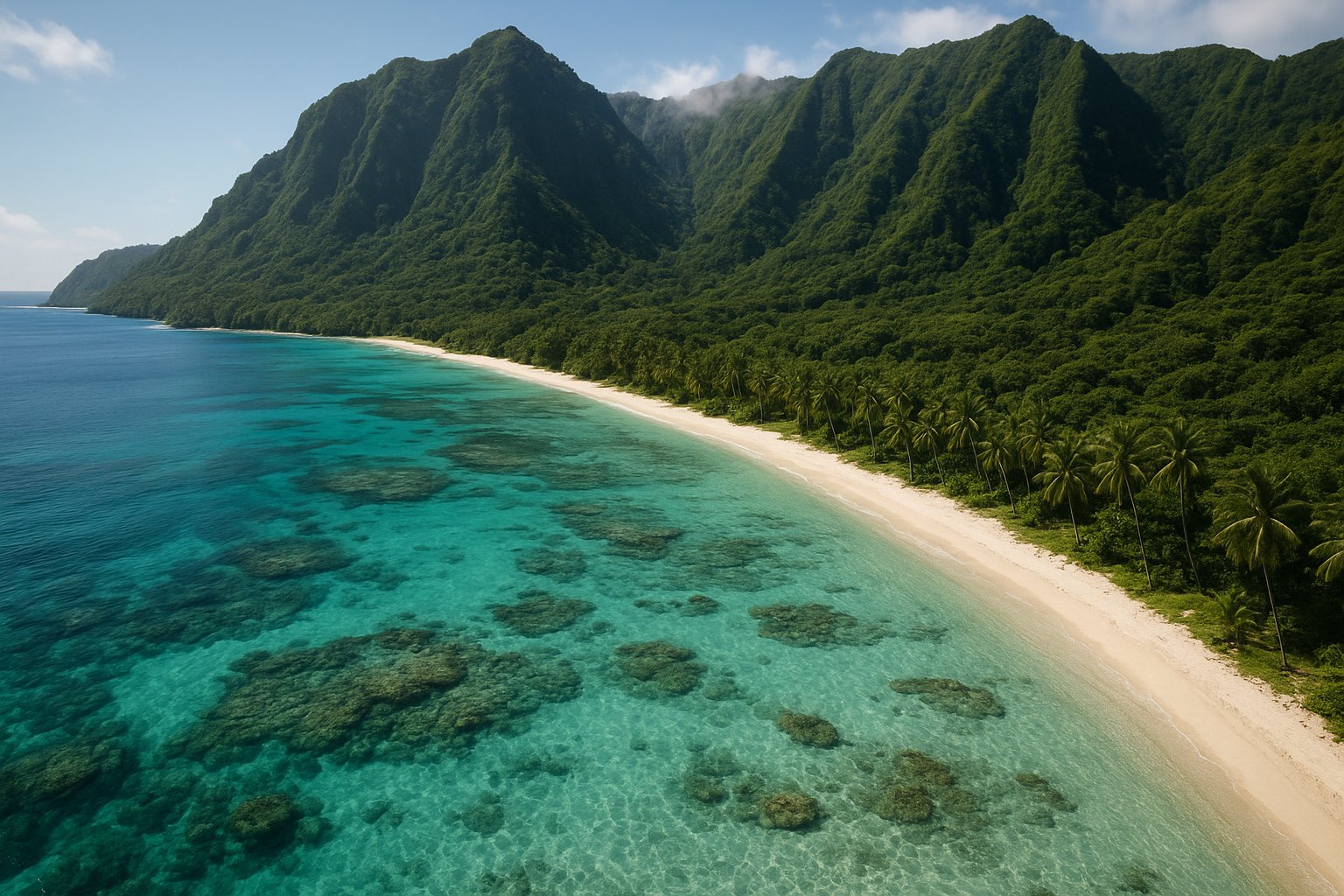
Ofu is a small island in the Manu'a group of American Samoa, and its beach is the reason snorkelers put it on a list at all: a long curve of white sand with a fringing reef beginning a short swim offshore, protected inside the National Park of American Samoa. The water is warm, clear and reef-rich, the island is barely developed, and almost nobody goes. That last part cuts both ways — Ofu is one of the most remote destinations in this catalog, reached by a flight to Pago Pago and then a small plane, and the honest version of this guide includes everything that remoteness costs you.
Seasonal guidance, not a forecast — no live tide tables, weather or marine advisories here; check local conditions before you go.
Why Ofu is great for snorkeling
Ofu's south coast is a textbook tropical fringing reef with the rarest thing of all attached to it: nobody. The reef flat and lagoon hold dense coral in shallow, sunlit water, which is exactly why this shoreline became a national park rather than a resort, and the beach itself is the entry point — you put a mask on and swim out.
The setting does a lot of the work. Behind you are rainforest ridges; in front, the fringing reef and then deep, clear Pacific water. On the right day the visibility is that South Pacific postcard clarity, and because so few people snorkel here, the reef is not worn the way a famous beach reef usually is.
- A national-park fringing reef you can walk into from the beach
- Dense shallow coral in the lagoon and on the reef flat
- Near-empty water — this is not a busy snorkel destination
- A second island (Olosega) across a strait, both within the Manu'a group
Best sites to prioritize
Start with Ofu Beach itself and its fringing reef. Work the lagoon and reef flat on the flood and ebb, using the sand channels rather than crossing coral, and swim out towards the reef edge for the better structure and fish life. This is the site you will return to, and it is worth learning its channels properly on day one.
Then the Asaga Strait, the channel between Ofu and Olosega. Tide pushes through it, which concentrates fish and makes the water more interesting — and more serious. Treat it as a guided, tide-timed swim, not a casual one. The two offshore islets, Nu'utele and Nu'usafe'e, are the quiet alternative: rocky reef, clear water and a local-boat ride, with seabird-island access rules to check first.
When to go & conditions
American Samoa sits in the South Pacific trade-wind belt, so the dependable pattern is a drier, breezier stretch and a wetter, calmer one — the trades steady the water and clear it, while heavier rain washes off the land and takes the edge off visibility near the shore. It is also inside the South Pacific cyclone belt, and cyclone season is the half of the year to watch forecasts in rather than plan around blindly.
The day-to-day variables matter more than the month: swell decides whether the beach is workable, and tide decides both the current in the Asaga Strait and how much reef flat is exposed. Ask locally each morning, and treat the water you can see as the final word.
Practical tips
Bring everything. Ofu is the least-serviced destination in this catalog: there is no dive shop on every corner, hire gear and spares are limited, and replacing a mask or a fin strap means a flight back to Tutuila. Take your own mask, snorkel, fins, reef-safe sunscreen, rash guard and reef booties, plus a dry bag.
Plan the transport honestly. You reach American Samoa by air into Pago Pago, then cross to the Manu'a group on a small domestic aircraft — a service with limited seats and weather-dependent reliability — and there are limited places to stay on Ofu. Book accommodation and the inter-island hop first, then build the trip around them, and carry anything you would not want to do without.
Expect limited medical and emergency support. There is a hospital on Tutuila, but Ofu is a short flight away from it, and serious cases are stabilised and evacuated further still — usually to Hawaii-level care. Travel and evacuation insurance is not optional here, and the destination page's travel-admin panel carries the verified entry, health and emergency detail.
Leave nothing but bubbles. This is a national park and, more to the point, a village island where the reef is both food and heritage: take nothing, stand on nothing, and ask before assuming access to a beach or an islet is open.
Planning this trip?
Get the whole journey built end-to-end — flights, stays, boat days, gear and day-by-day timing notes — by the Double Fathom Concierge for a one-time $29. Re-plan any time, chat support through the trip, a destination-specific packing list, curated off-menu operators, and a printable offline PDF itinerary.
Secure checkout by Stripe — pay by card, receipt by email. A one-time, per-trip purchase — nothing recurring, and no rush either way.
Get the occasional best-reef dispatch
Trip-planning tips, seasonal reef picks and new-destination notes. No spam, unsubscribe anytime.
Explore the destination
Ofu Beach's fringing reef, inside the National Park of American Samoa, is the classic South Pacific shore snorkel — a long white-sand beach with coral starting a short swim out, on an island with almost no development. Be honest about the trip: reaching it means a flight to Pago Pago and then a small plane to the Manu'a group, so it is a destination you commit to, not a stopover.
Ofu destination guide →