Best Snorkeling in Sardinia
5 min read · Field guide
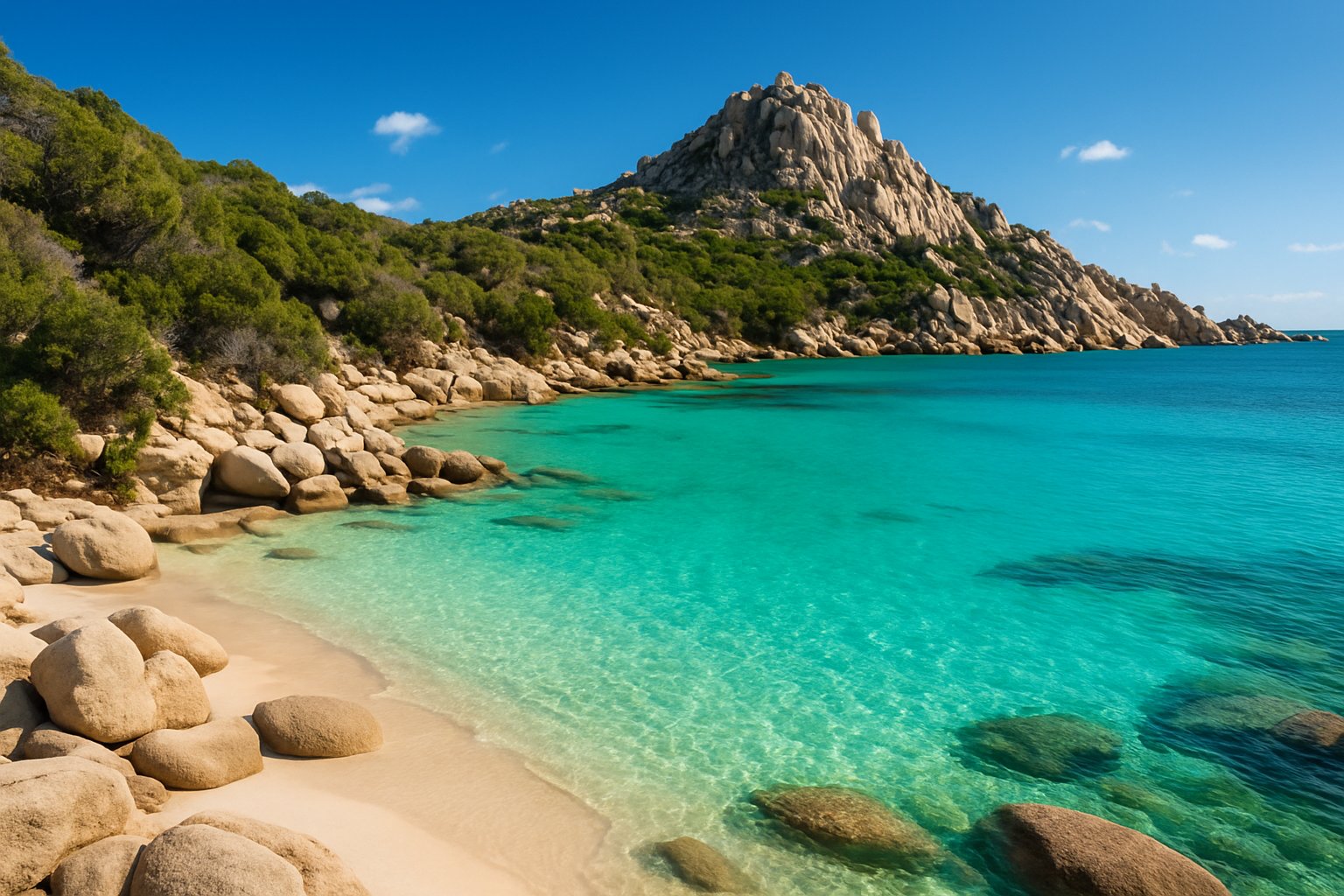
Sardinia is the Mediterranean's clear-water secret. The island pairs gin-clear, translucent water with a coastline of granite-set shallows, pebble coves and protected marine parks — above all the Maddalena archipelago off the north-east, where pink-granite islets sit in shallow turquoise straits that are a joy to snorkel. It rewards a calm, unhurried, cove-hopping itinerary rather than a race through sites, and the water's clarity is the quiet headline throughout.
Seasonal guidance, not a forecast — no live tide tables, weather or marine advisories here; check local conditions before you go.
Why Sardinia is great for snorkeling
Sardinia's gift is clarity. The water around the island is famously transparent — that unmistakable Mediterranean gin-clear blue — and much of the best snorkeling sits close to the coast, so you can be in it within minutes of parking, or take a short boat between islets for something wilder.
What makes it special is the setting. Granite shelves, seagrass beds and protected straits give the snorkeling texture and a sense of calm, and because much of the coast is lightly developed or park-managed, the fish life stays healthy and the coves stay quiet.
- Gin-clear, translucent Mediterranean water
- Protected marine parks and granite-set shallows
- Shore-access coves plus short boat hops between islets
- A calmer, less-crowded alternative to the glamorous coast
The north-east: Maddalena, Costa Smeralda & Tavolara
The Maddalena archipelago is the centrepiece — a protected national park of pink-granite islets, clear turquoise straits and shallow reefs, snorkeled best from a boat threading between the islands over seagrass and rock gardens. It's a regulated park, so go with a licensed operator who knows the anchoring rules.
Closer to shore, the Costa Smeralda coves — Capriccioli and Cala di Volpe among them — offer easy beach snorkeling straight off the sand over granite shelves, seagrass and rock pools, sometimes with turtles around the beds. And Tavolara Island, the long flat granite massif off Olbia, is reached by boat for some of the region's most reliably clear water on its protected flanks.
Beyond the glamorous north
Head west for a change of pace. Neptune's Grotto at Capo Caccia is a grand sea-level limestone cave reached by boat or the famous sea-staircase; snorkeling the entrance buzzes with small fish against the blue light, and the approach itself is a sight. Further down the west coast, the Sinis Peninsula near Oristano offers protected shallows and posidonia seagrass beds — a wilder, emptier, crowd-free stretch that rewards gentle drifting.
Between the polished north-east and the quieter west, Sardinia covers both moods — the resort-fringed cove and the almost-empty seagrass meadow — often within a short drive or sail of each other.
Practical tips
Aim for late spring through early autumn for warm water and calm, settled seas; summer is peak season in the north-east, so the quieter west and the park's off-peak hours are the escape valve. You'll want a hire car to string the coves together, and a licensed boat trip to do the Maddalena park properly.
Protect what makes it good: keep off the posidonia seagrass and the coral, respect the national-park anchoring rules, and follow local access guidance at the grottoes. Your own mask and fins, reef-safe habits and a calm morning start will get you the clearest water.
Planning this trip?
Get the whole journey built end-to-end — flights, stays, boat days, gear and day-by-day timing notes — by the Double Fathom Concierge for a one-time $29. Re-plan any time, chat support through the trip, a destination-specific packing list, curated off-menu operators, and a printable offline PDF itinerary.
Secure checkout by Stripe — pay by card, receipt by email. A one-time, per-trip purchase — nothing recurring, and no rush either way.
Get the occasional best-reef dispatch
Trip-planning tips, seasonal reef picks and new-destination notes. No spam, unsubscribe anytime.
Explore the destination
Crystalline coves, granite-set shallows and the protected waters of the Maddalena archipelago. A classic clear-water Med coast that rewards a calm, cove-hopping itinerary.
Sardinia destination guide →