Best Snorkeling in Seychelles
5 min read · Field guide
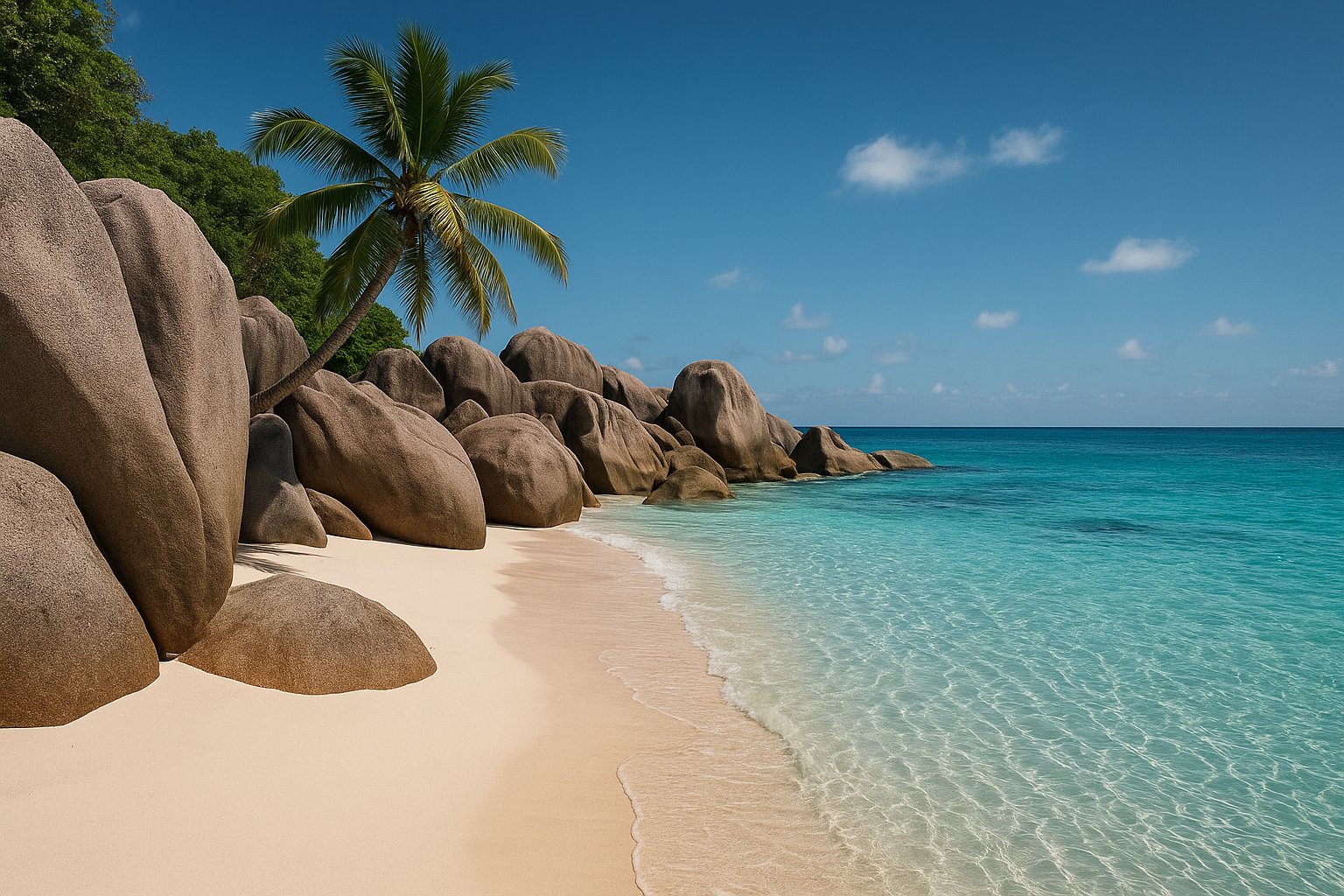
Seychelles is an archipelago of granite islands a few degrees south of the equator whose reputation rests on beaches and boulder scenery more than on coral. That distinction matters when you plan: the corals here took a severe bleaching hit in the warm-water events of 1998 and 2016 and are recovering rather than pristine, so the honest draw is water clarity, protected marine parks and shorelines that look like nowhere else on Earth — with reef that is real but modest. This guide sets out where the best of it is and what it is actually like.
Seasonal guidance, not a forecast — no live tide tables, weather or marine advisories here; check local conditions before you go.
Why snorkel Seychelles
For the clarity and the setting. Seychelles sits in the open Indian Ocean with very little runoff, and on a calm day the water off the granite islands is exceptionally clear. Combine that with marine parks that genuinely restrict fishing and anchoring and you have the most reliable snorkeling water in the archipelago, close to the main islands.
The marine parks do the heavy lifting here. Sainte Anne, a short boat ride from Victoria, and Baie Ternay on Mahé's north-west coast are both protected areas with coral, reef fish and turtles — the two places where the reef has the best chance and where the snorkeling is most dependable.
Now the honest part, because it changes what you should expect. Seychelles' corals were severely bleached in the 1998 and 2016 warm-water events and have been recovering since: there are places where you will see rubble and regrowth rather than a dense, colourful reef. The destination's real strengths are the granite scenery, the water colour, the turtles and the marine-park protection. Come for those and the reef is a bonus; come expecting a Red Sea wall and you will be disappointed.
- Two genuinely protected marine parks within easy reach of Mahé
- Exceptionally clear open-ocean water on calm days
- Granite-boulder beaches and lagoons found nowhere else
- Corals recovering from severe 1998 and 2016 bleaching — expect regrowth, not pristine reef
Best sites to prioritize
Start with Sainte Anne Marine National Park, east of Victoria: a cluster of small granite islands and reef flats a short boat ride from the capital, with coral, reef fish and turtles in clear water and day trips running from the harbour. A marine-park fee applies and anchoring is regulated — confirm current fees and rules locally.
Then Baie Ternay Marine National Park on Mahé's north-west coast, a sheltered bay with coral and fish life in calm water and a beach at the head of it — the most reliable inshore snorkeling on the main island and the easiest place to plan an independent morning.
On the outer islands the pattern is the same: pick the sheltered side and read the swell. Anse Lazio on Praslin has rock and coral at either end of a bay that is rough when the north-west swell is up, and Anse Source d'Argent on La Digue is a shallow lagoon behind those famous granite boulders — sandy and patchy rather than dense reef, but wading-depth and easy. Beau Vallon on Mahé is the busy, accessible beach option, with shallow reef patches and rock off the sand and full exposure to the north-west swell.
When to go & conditions
Seychelles sits just south of the equator, so the water is warm all year and the season is about wind and rain rather than temperature. The drier, breezier south-east trade season, broadly May to September, gives cooler, more settled air and the clearest water on the sheltered west coasts. The warmer north-west monsoon, broadly November to March, is wetter and more humid with lighter winds, and the transition months of April and October are often when the sea is at its calmest and clearest.
Tides matter more than most people expect, especially on the shallow lagoon sites: some bays change character completely between high and low water, so a tide table is worth as much as a forecast. Reef condition is the other thing to weigh — the bleaching history means the best snorkeling is concentrated in and around the protected areas rather than spread evenly along every beach.
Check the day's marine forecast and the tide locally, and treat local flags and lifeguard advice as the final word on whether you swim. Verify current park fees, rules and access arrangements before you build a day around a site.
Practical tips
Choose your base by which marine park you want, not by the resort brochure. Mahé puts Sainte Anne and Baie Ternay within easy reach and has the widest range of services; Praslin and La Digue add the famous beaches and are reached by ferry, which is how most people move between the islands. Book the ferry legs ahead in peak season.
Bring your own mask, snorkel and fins, a rashguard or thin shorty for sun and a little warmth in the breeze, reef-safe sunscreen, a dry bag and booties for the granite and coral entries. Rental exists but is limited, and a well-fitted mask is the difference between a good morning and a short one.
Respect the parks and the reef. Marine-park rules on fishing, collecting and anchoring are enforced, and the recovery of the corals depends on people not standing on them — never touch or stand on coral, give turtles and rays their space, and stay off the reef flat in the shallows where a careless kick does real damage.
One practical note on where the islands end: the far-flung outer islands are a different trip rather than a beach day — Aldabra in particular is remote, strictly protected and beyond what this guide covers. And check your own entry requirements before booking: Seychelles requires most visitors to hold a travel authorisation in addition to any visa exemption, and the travel admin panel on the destination page carries the verified entry, health and hospital information.
Planning this trip?
Get the whole journey built end-to-end — flights, stays, boat days, gear and day-by-day timing notes — by the Double Fathom Concierge for a one-time $29. Re-plan any time, chat support through the trip, a destination-specific packing list, curated off-menu operators, and a printable offline PDF itinerary.
Secure checkout by Stripe — pay by card, receipt by email. A one-time, per-trip purchase — nothing recurring, and no rush either way.
Get the occasional best-reef dispatch
Trip-planning tips, seasonal reef picks and new-destination notes. No spam, unsubscribe anytime.
Explore the destination
An Indian Ocean archipelago a few degrees south of the equator whose beaches are famous and whose marine parks are genuinely protected. Be clear-eyed about the coral: these reefs took a severe bleaching hit and are recovering rather than pristine, so come for water clarity, granite scenery and turtles.
Seychelles destination guide →