Best Snorkeling in Turks & Caicos
5 min read · Field guide
Turks & Caicos sells itself on water, and the water is the real thing: flat, turquoise and unusually clear, with two genuinely easy walk-in reefs on Providenciales. What it is not is a dense coral destination you can wade into anywhere — much of the celebrity diving here is wall at dive depth, and the snorkeling is the shallow reef just offshore. This guide keeps that split clear so you book the trip you actually want.
Seasonal guidance, not a forecast — no live tide tables, weather or marine advisories here; check local conditions before you go.
Why snorkel Turks & Caicos
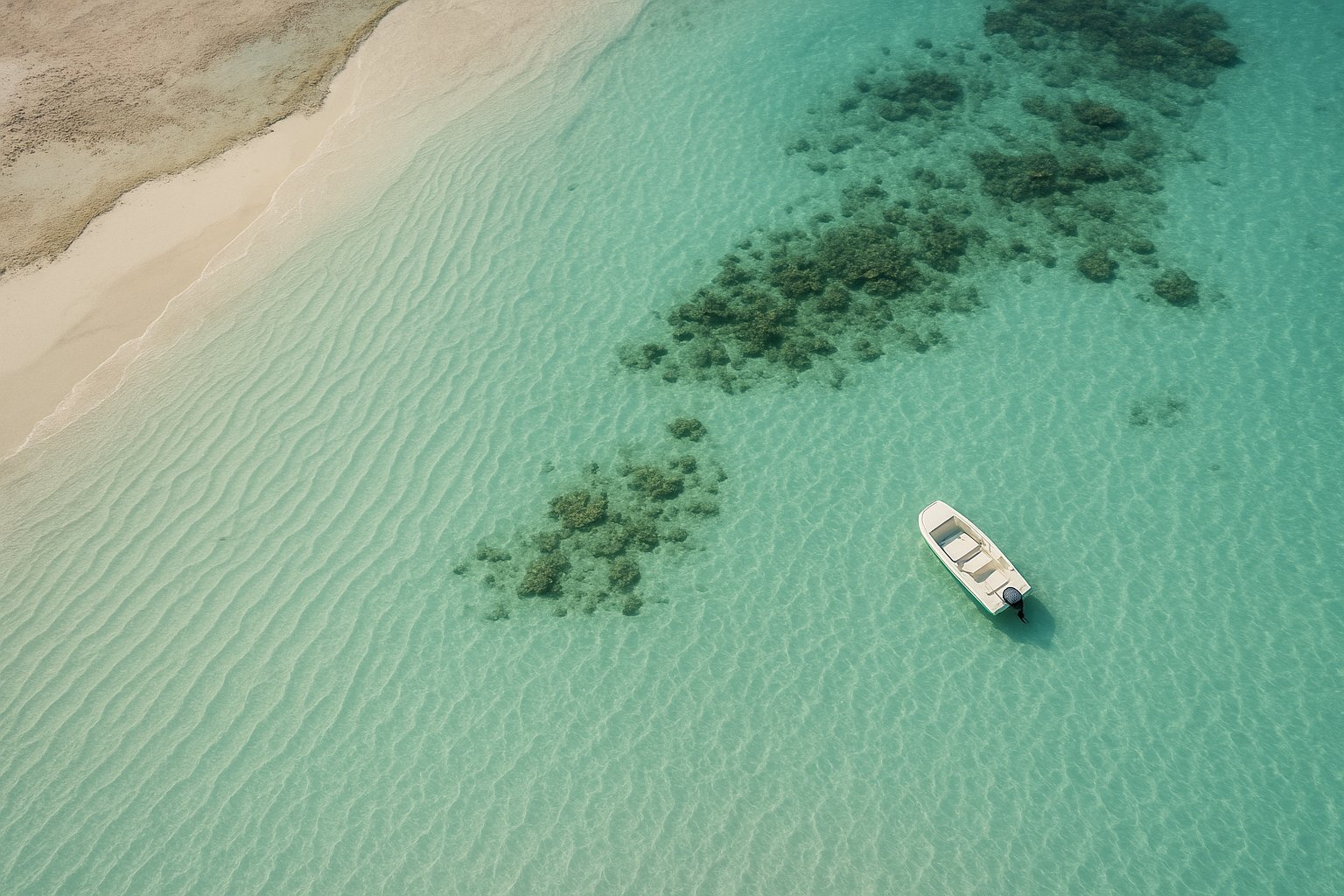
Because the water does most of the work. The islands sit on a shallow carbonate bank, which is why the water is that flat, bright turquoise and why visibility off the beach is so high. Two sites on Providenciales are swum straight from the sand, which means a family or a first-timer can have a real reef experience without booking anything.
The second reason is that the shallow reef here is genuinely alive — coral heads, reef fish, turtles and rays — in water shallow enough to watch it all from the surface. Grand Turk, the territory's other island group, adds a second set of shallow inshore sites for anyone making the short hop east.
And the honest caveat, because it changes what a trip should be. Turks & Caicos is a world-class diving destination for a reason that has nothing to do with snorkeling: the shelf edge drops away into deep water within minutes of the beach, and the walls are at dive depth. If your plan is a snorkel trip, plan it around Bight Reef, Smith's Reef and the shallows — and treat the walls as something to come back for with a tank.
- Two walk-in reefs on Providenciales, swum straight from the beach
- Exceedingly clear, flat turquoise water on a shallow carbonate bank
- Grand Turk's shallows as a second island group, a short hop east
- Wall diving at the shelf edge is dive-depth, labelled here rather than sold as snorkeling
Best sites to prioritize
Bight Reef, also known as Coral Gardens, is the first stop: a patch reef a short swim off the Grace Bay beach stretch, with coral heads, reef fish, turtles and the occasional eagle ray in shallow, very clear water. Stay inside the marked snorkel area — the reef is buoyed both to keep boats off it and to keep snorkelers off the coral. Verify the current marker positions locally on arrival.
Smith's Reef, off Turtle Cove, is the locals' pick: seagrass, patch coral and resident turtles, again swum from the beach, with a boat channel to watch for. Grace Bay's shallows themselves are the water you have seen in photographs — broad, flat and turquoise — but be honest about them: they are mostly sand and scattered coral heads, so walk the beach to Bight Reef if coral is the point.
For a second island, Grand Turk adds a shallow sandy cay and inshore reef with stingrays in the shallows, reached by boat from Cockburn Town and a short domestic flight or ferry from Providenciales. And then the line: the wall drop-offs off Providenciales and West Caicos are the reason divers come here, and they are at depth. Listed for completeness, not as a snorkel plan.
When to go & conditions
The dry season, roughly December to April, brings the calmest seas, the clearest water and the most reliable snorkeling weather. The wetter stretch from roughly June to November overlaps the Atlantic hurricane season, so keep plans flexible then — these islands have taken direct hits from major storms in past decades.
Water stays warm enough for a rashguard or thin shorty for most of the year. Trade winds build through the day, so the flattest water off the beach at Bight Reef and Smith's Reef is usually in the morning, and the leeward side of the island stays calmest when the wind is up.
The shallow reef patches are easy and forgiving in most conditions, which is exactly why they need care: the water over the coral is thin, so watch the tide, keep your body and fins off the reef, and never stand on coral to adjust your mask. Verify conditions and any local marker or access guidance before you swim.
Practical tips
Stay on Providenciales if your plan is snorkeling. Both walk-in reefs are on the same island as the main airport and the accommodation, and the sites are reached on foot from public beach access points rather than by car or boat. Rent or carry your own mask, snorkel and fins — the fit of your own mask matters more than anything else on a shallow reef day.
Bring reef-safe sunscreen, a rashguard, a dry bag and water. The walk-in sites have no facilities and the sun on that shallow water is intense; a long-sleeve sun layer means fewer reapplications and less sunscreen in the water.
Respect the buoys and the shallows. The marked areas at Bight Reef exist to protect both coral and snorkelers — stay inside them, never touch or stand on coral, and give turtles space to surface. If you are offered a boat trip, ask explicitly whether it is a snorkel trip to shallow reef or a dive trip to the walls, because they go to different places.
One practical territory note: Turks & Caicos is a British Overseas Territory with its own immigration, so UK entry rules do not apply, and entry requirements depend on your nationality. Verify your own passport's requirements and the island's current emergency and medical arrangements before you travel — the travel admin panel on the destination page carries the verified entry, health and hospital information.
Planning this trip?
Get the whole journey built end-to-end — flights, stays, boat days, gear and day-by-day timing notes — by the Double Fathom Concierge for a one-time $29. Re-plan any time, chat support through the trip, a destination-specific packing list, curated off-menu operators, and a printable offline PDF itinerary.
Secure checkout by Stripe — pay by card, receipt by email. A one-time, per-trip purchase — nothing recurring, and no rush either way.
Get the occasional best-reef dispatch
Trip-planning tips, seasonal reef picks and new-destination notes. No spam, unsubscribe anytime.
Explore the destination
Two easy walk-in reefs a short swim off Providenciales, Grace Bay's famous flat turquoise water, and Grand Turk's shallows as a second island. Two honest lines: the best snorkeling is offshore-shallow rather than dense coral, and much of the headline diving here is wall at dive depth.
Turks & Caicos destination guide →