Snorkeling Utila (Honduras)
5 min read · Field guide
Utila is the laid-back end of the Caribbean snorkeling spectrum: a small, low-rise island in Honduras's Bay Islands where the barrier reef starts almost in the shallows and the vibe is decidedly backpacker. Its fame rests on one animal — the whale shark, which visits the island's waters seasonally — but the everyday reality is quieter: fringing reef a short swim from town beaches, clear warm water, and a price tag that undercuts most of its Caribbean neighbours. It's not the most polished reef on this list. It is one of the most fun, and one of the most honest about what you will and won't see.
Seasonal guidance, not a forecast — no live tide tables, weather or marine advisories here; check local conditions before you go.
Why Utila is worth the flight detour
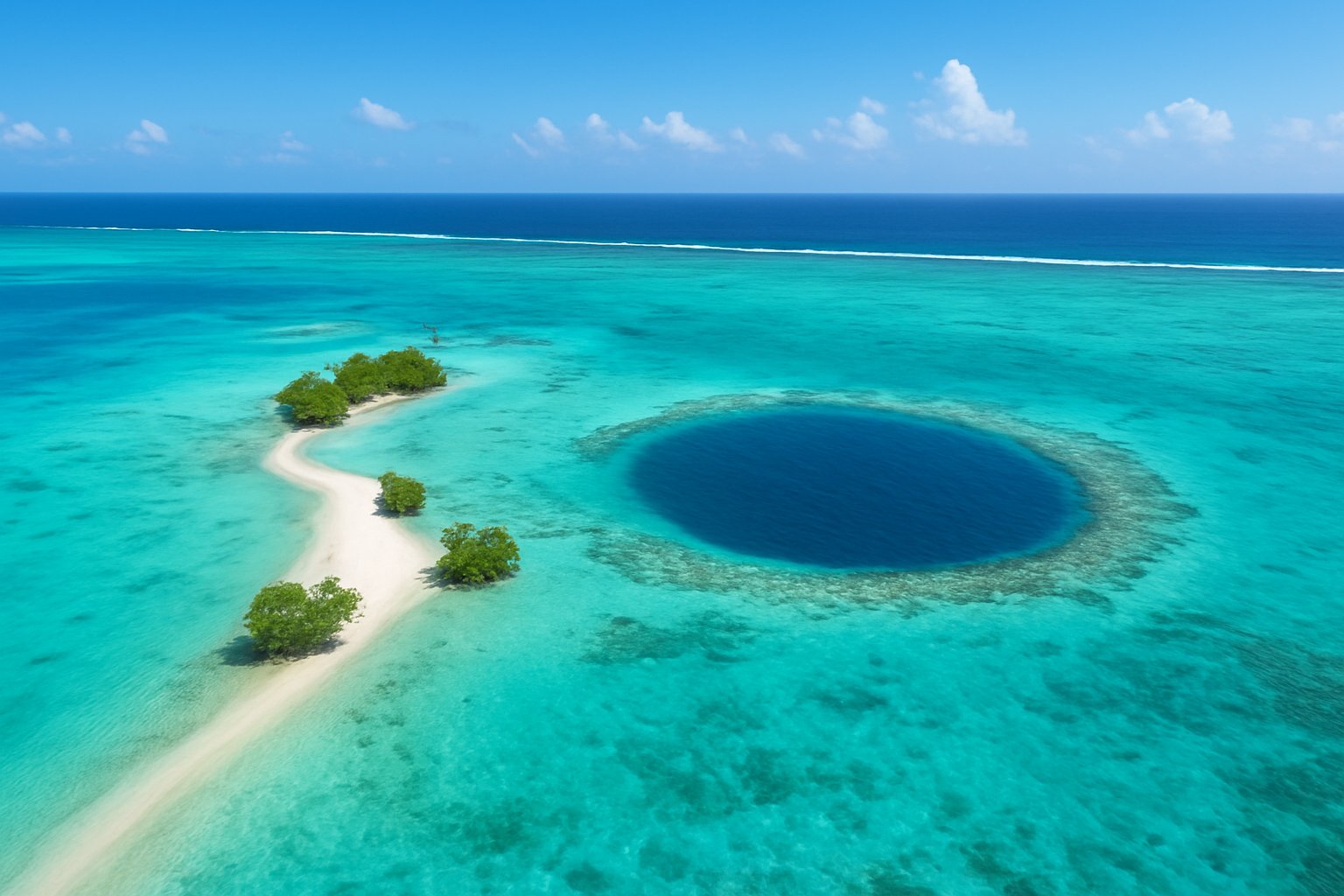
Utila sits on the Mesoamerican Reef — the second-largest barrier reef system on Earth, shared with Mexico, Belize and Guatemala — and its fringing reef comes surprisingly close to shore. You can be over coral within a short swim or an even shorter boat ride from town, which keeps the trip cheap and the pace relaxed. It's the backpacker's Caribbean: guesthouse beds, dive-shop streets, and a beach town with no high-rise anything.
It's also the cheapest of our under-the-radar picks by a comfortable margin — flights into Roatán or La Ceiba plus a ferry, inexpensive stays, and reef days you can run yourself. The trade-off for that price is a reef that is lively and healthy rather than pristine: expect plenty of coral, fish and turtles, not Raja Ampat-level biodiversity.
Whale sharks: the honest version
Utila's headline is the whale shark, and the honest version is this: they are genuinely common here compared with almost anywhere else in the Caribbean, but they are wild animals and no one can guarantee one. Sightings cluster seasonally — roughly March to April is the peak window, with another pulse of activity around the full moons in late summer and autumn — and boats head out on search days when conditions and reports line up.
The island also hosts a whale-shark research centre, and local operators share sighting data rather than keeping it to themselves. When a whale shark does appear, the rules are strict: one respectful group at a time, no touching, no chasing, and careful fin work. It's a bucket-list encounter that the island treats with the seriousness a wild animal deserves.
The reefs & the everyday
The everyday Utila is what keeps snorkelers happy without any megafauna: coral gardens and bommies along the south shore, sandy flats with rays and small fish, and the occasional turtle or eagle ray crossing your path. Town is walkable, the water is warm year-round at roughly 27–29°C, and currents are mostly mild on the sheltered side — which makes it an easy island for less experienced snorkelers too.
Watch the seasons only where they matter: whale-shark chances are highest in the spring window, and the tail end of the year can bring rougher seas. Bring a mask and fins that fit you — rental gear on a budget island is a lottery — reef-safe sunscreen, and leave the reef as you found it. If you want big-animal snorkeling without big-animal prices, Utila is the pick.
Planning this trip?
Get the whole journey built end-to-end — flights, stays, boat days, gear and day-by-day timing notes — by the Double Fathom Concierge for a one-time $29. Re-plan any time, chat support through the trip, a destination-specific packing list, curated off-menu operators, and a printable offline PDF itinerary.
Secure checkout by Stripe — pay by card, receipt by email. A one-time, per-trip purchase — nothing recurring, and no rush either way.
Get the occasional best-reef dispatch
Trip-planning tips, seasonal reef picks and new-destination notes. No spam, unsubscribe anytime.
Explore the destination
A full barrier reef with easy marine-park snorkeling, big rays and sharks at a famous channel, and warm turquoise water. The Great Blue Hole itself is a dive — but the surrounding reefs are pure snorkel gold.
Belize destination guide →