Fiji, South Pacific
Indo-Pacific

Fiji

Soft coral, warm water and easy lagoons across an island country.

27

Double Fathom ranking

The soft-coral islands

Best for

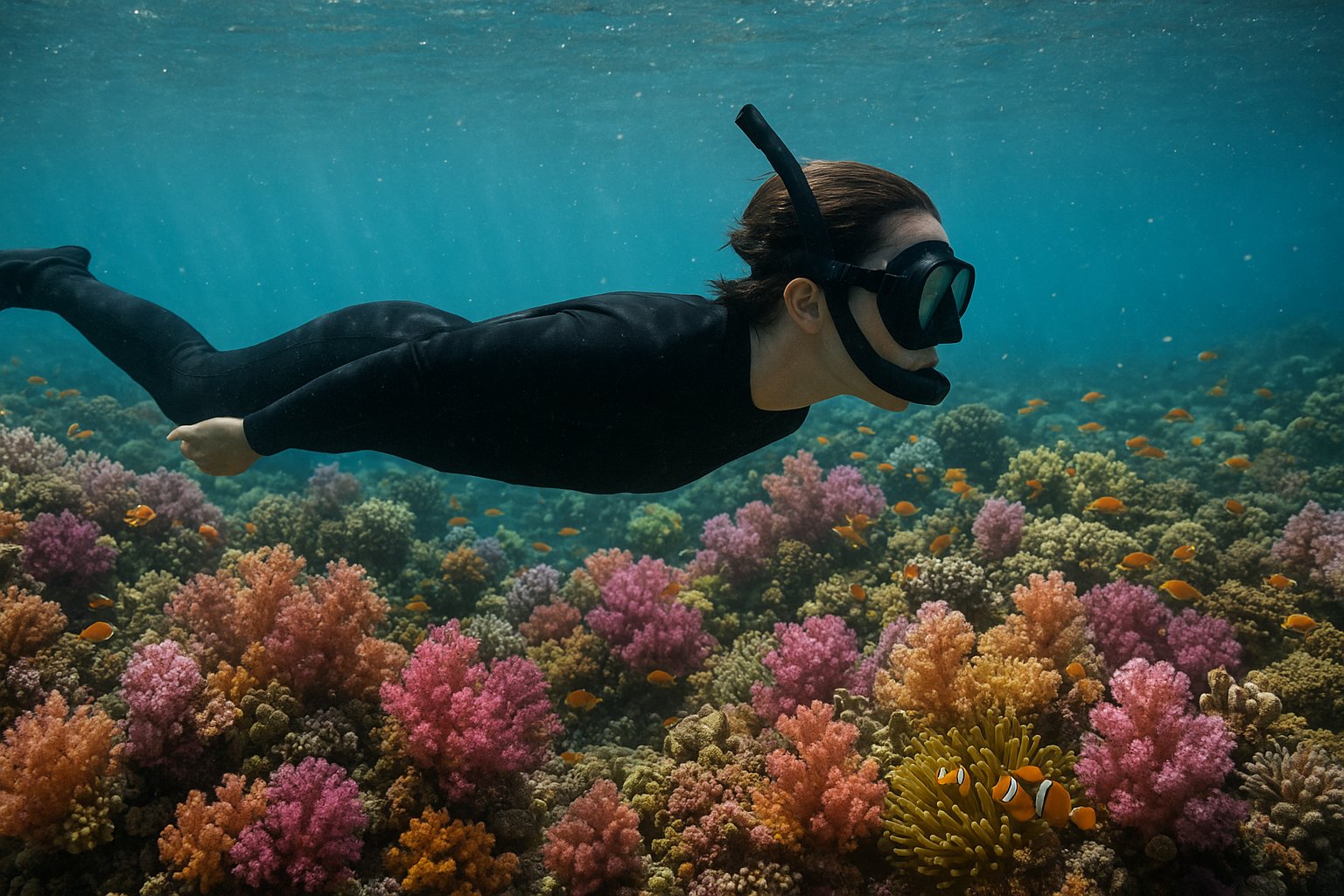
Fiji is several snorkeling areas in one country rather than a single site: the sheltered lagoons of the Mamanucas and Yasawas within reach of Nadi, the soft-coral reefs off Taveuni in the north, the protected water of Beqa Lagoon in the south, and fringing reef along Viti Levu's Coral Coast. Warm water and calm lagoon days make it one of the friendliest places in the Pacific to get in — with the honest caveat that the country's famous soft-coral dives and its shark feed are dives, not snorkels.

Soft coral · Island country

Key sites to explore

The distinctive underwater sights worth planning around. Descriptions are curated planning info — always verify local access, rules and conditions before you set out.

01

Mamanuca Islands fringing reefs

Reef

📍 The Mamanuca group, west of Nadi and Denarau

A cluster of small islands and reef-fringed motus within easy reach of Nadi, with shallow coral gardens, sandy channels and calm lagoon water between them. Much of it is a short boat hop or a swim from a resort beach, which is why the Mamanucas are where a large share of Fiji snorkeling happens.

The popular islands get busy and there is real boat traffic between them — swim with a marker float, stay out of the boat lanes, and expect the reef closest to the busiest beaches to show the wear of that traffic.

02

Yasawa Islands & the Blue Lagoon

Lagoon

📍 The Yasawa group, north-west of the Mamanucas

Long volcanic islands with white-sand beaches and sheltered, shallow lagoon water — including the stretch known as the Blue Lagoon — where coral heads, small fish and clear, calm water make for easy, unhurried snorkeling from the beach or from a boat.

The Yasawas run on village land and small resorts: ask before snorkeling off a village beach, respect local reef rules and any tabu (no-take) areas, and arrange boats through your guesthouse rather than turning up expecting one.

03

Rainbow Reef, Taveuni

Reef

📍 In the Somosomo Strait, between Taveuni and Vanua Levu

Fiji's best-known soft-coral reef and a genuine dive icon, named for the colour of its corals. The strait's nutrient-rich current is what makes the soft coral flourish, and that same current is why the classic sites are dive-depth. Snorkelers who want it should target the shallow reef shelf and the sheltered bommies rather than the famous drop-offs.

Be precise about this one: Rainbow Reef's headline sites are dive sites in tidal current, and a snorkel here is a shallows-only, guide-led trip on a slack tide — not the wide-angle soft-coral dives in the photographs. Verify with a local operator what is genuinely snorkelable on your dates.

04

Beqa Lagoon

Marine reserve

📍 Off Beqa Island, south of Viti Levu near Pacific Harbour

A large lagoon held behind barrier reef, with shallow coral patches inside it that suit snorkelers, and a famous shark aggregation around Shark Reef. The lagoon's calm inner water and coral make it an easy boat day from the Coral Coast and Pacific Harbour.

The shark encounter here is a baited dive at depth, inside a marine reserve with its own rules — it is not a snorkel experience and this catalog will not present it as one. The snorkeling is the lagoon's shallow coral, on a trip that knows the difference.

05

Coral Coast, Viti Levu

Shore reef

📍 The coast between Sigatoka and Pacific Harbour, Viti Levu

Viti Levu's southern coast has fringing reef close to shore, so on the right tide you can snorkel off the beach over coral heads and rock without booking anything. It is the mainland option — useful for a first or last day near Nadi rather than the reason for the trip.

Tide and shorebreak decide everything here: at low water the shallow reef can leave very little depth, and the reef edge can carry the same current the outer lagoon does. Check the tide and the day's conditions before you swim.
Snorkeling in Fiji: quick answers

Is Rainbow Reef in Fiji a snorkel site?
Partly — Rainbow Reef is a genuine soft-coral dive icon, and its headline sites are dive-depth in tidal current. The snorkelable water is the shallow reef shelf and the sheltered bommies on a slack tide with a guide, so verify with a local operator what is genuinely snorkelable on your dates rather than assuming the dive sites are available.
Can you snorkel with the sharks at Beqa Lagoon?
Not on a snorkel — the shark encounter at Shark Reef is a baited dive at depth inside a marine reserve, and this catalog does not present it as a snorkel experience. What a snorkeler gets at Beqa is the lagoon's calm inner water and its shallow coral patches, which suit snorkeling well on their own terms.

Local food gems

Eat like a local — three off-the-radar spots to round out a day in the water. Spots above the tourist strip, found by asking where the boat crews and neighbours actually eat.

01

Kokoda, Fiji's national dish

Across Fiji, from Nadi to the outer islands

Kokoda is raw fish cured in lime or lemon and dressed with coconut cream, onion, tomato and chilli — the dish every Fijian kitchen makes and every visitor should eat first. Cool, sharp and rich at the same time, and best with whatever fish came off the reef that morning.

Tip: Ask for it early in the day: kokoda is at its best when the fish has only just been cured in the citrus.

02

A Fijian-Indian dhal, roti and curry lunch

Nadi, Lautoka and Suva

Indo-Fijian kitchens serve dhal soup, roti and curries at market counters and small canteens — a whole side of Fiji's food culture that most resort menus skip entirely, and often the best-value meal of the day.

Tip: Ask for the day's curry rather than choosing from a printed list; the daily specials are where the kitchen's effort goes.

03

A lovo, the earth-oven feast

Village gatherings and smaller island resorts

A lovo is meat, fish, taro and cassava cooked in a pit of hot stones, with coconut and banana leaves doing the work — the method behind most Fijian celebration food, and the closest thing to eating the country's own cooking at its source.

Tip: Lovos are made for gatherings. Village fundraisers and church lunches often welcome visitors, and bringing something or contributing is the polite way in.

Planning Fiji?

Get the whole journey built end-to-end — flights, stays, boat days, gear and day-by-day timing notes — by the Double Fathom Concierge for a one-time $29. Re-plan any time, chat support through the trip, a destination-specific packing list, curated off-menu operators, and a printable offline PDF itinerary.

$29 / trip · one-timeBuy Concierge — $29

Secure checkout by Stripe — pay by card, receipt by email. A one-time, per-trip purchase — nothing recurring, and no rush either way.

Ready to plan Fiji properly?

The free Mission Briefing is one fixed Raja Ampat sample — not a custom build. To have this destination planned properly, the $29 Concierge tier plans around your dates and re-plans as often as you like.