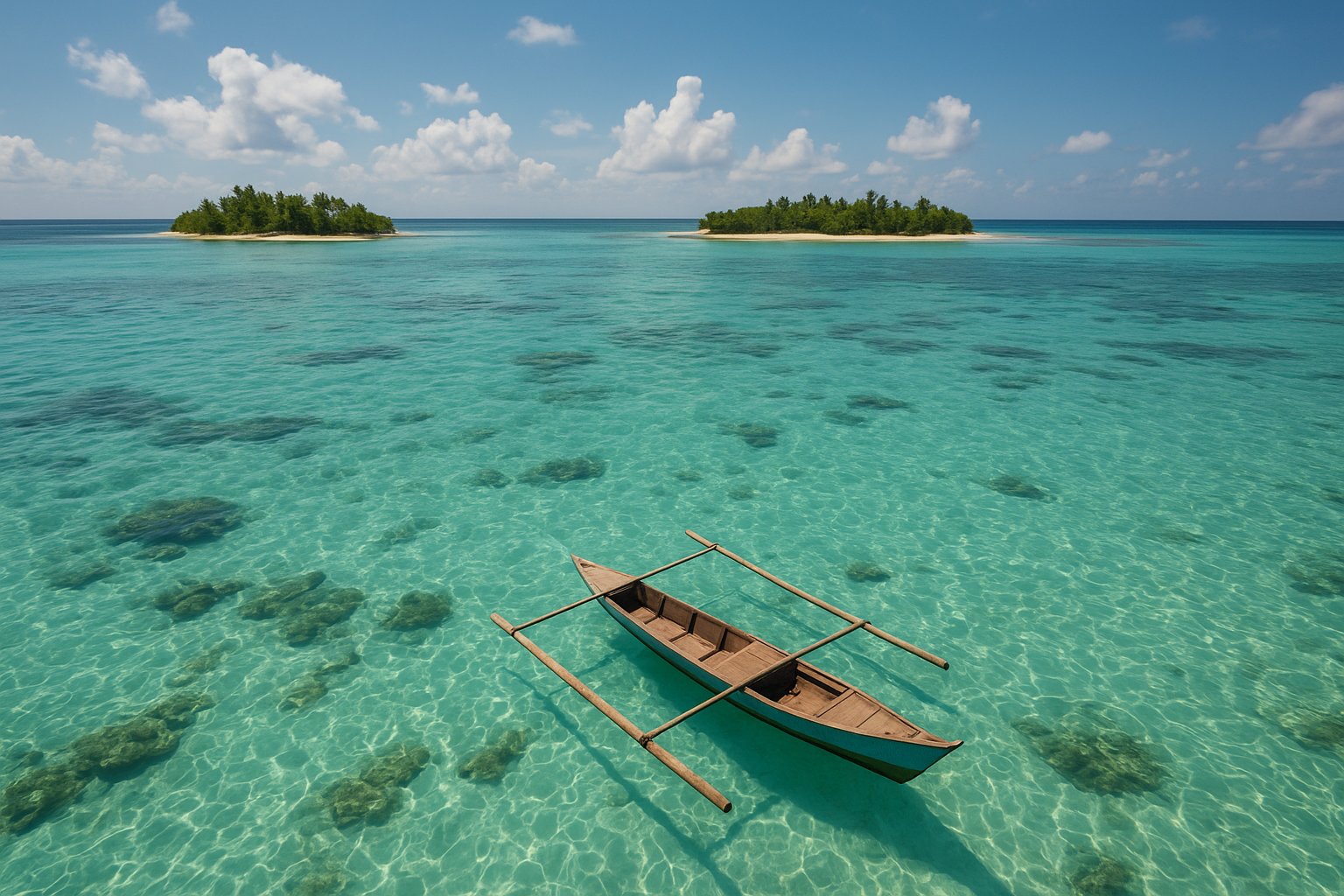
The distinctive underwater sights worth planning around. Descriptions are curated planning info — always verify local access, rules and conditions before you set out.
01
'Nest' underwater sculpture, Gili Meno
Sculpture park📍 Gili Meno's west coast
A circle of life-size human figures on the seabed off Gili Meno — an underwater sculpture installation by Jason deCaires Taylor, placed in water shallow enough to see from the surface and to freedive down to. Coral has begun to colonise the figures, and the island's coral gardens sit close by.
Very popular and very photographed: do not touch or stand on the figures or the coral growing on them, and mind your fins in a crowd. Access is by boat or by swimming out from the right part of the shore — ask locally where the entry is and how the current is running.
02
Turtle Point, Gili Meno
Megafauna point📍 North-east shore of Gili Meno
The best-known turtle site in the Gilis: a shallow reef slope where green and hawksbill turtles graze the coral and seagrass. Snorkelers see turtles here on most days, either from the shore or after a short boat ride, which is why it is the islands' signature swim.
Sightings are never guaranteed, and this is a heavily visited site — never crowd, chase or touch a turtle, give it room to surface and breathe, and keep off the coral. Boat traffic around the point is real, so keep your head up.
03
Gili Air's coral gardens
Reef📍 Gili Air, east and north coasts
Gili Air's reef starts close in: patch coral, coral heads and shallow flats on the island's calmer side, with turtles and reef fish working the same stretch and a seagrass flat where turtles graze. It is warm, walk-in, from-the-beach snorkeling of the kind that makes the Gilis easy.
Parts of the reef flat are genuinely shallow and parts are broken coral or rubble rather than intact reef, so watch where you put hands and knees and pick your entry around higher water. Ask locally which side is calmest on the day.
04
Gili Trawangan's reef and restoration frames
Reef📍 Gili Trawangan, west and north coasts
Gili Trawangan holds coral gardens on its quieter coasts — well away from the busy eastern strip — plus reef-restoration structures installed offshore by local conservation projects to rebuild damaged coral, which double as fish aggregating points worth a look.
Heads-up: the west side is the sunset side and the north-west sees the most boat traffic, and no structure replaces intact reef. Ask locally where the snorkeling is best and which restoration areas are open to visitors before you swim.
05
The seagrass beds between the islands
Seagrass meadow📍 The shallows between Gili Trawangan, Meno and Air
The Gilis sit inside a broad, shallow seagrass and sand system, and that is why turtles are here in numbers: green turtles graze seagrass, and the flats between the islands are their feeding ground. Snorkeling the flats is gentle, shallow and often surprisingly productive.
Seagrass looks empty and is not: never stand on it or drag fins through it, do not anchor, and remember the turtle you are watching is eating. The channels between the islands carry current at the change of tide — stay out of them, or stay with a guide who knows them.