Best Snorkeling in the Gili Islands
5 min read · Field guide
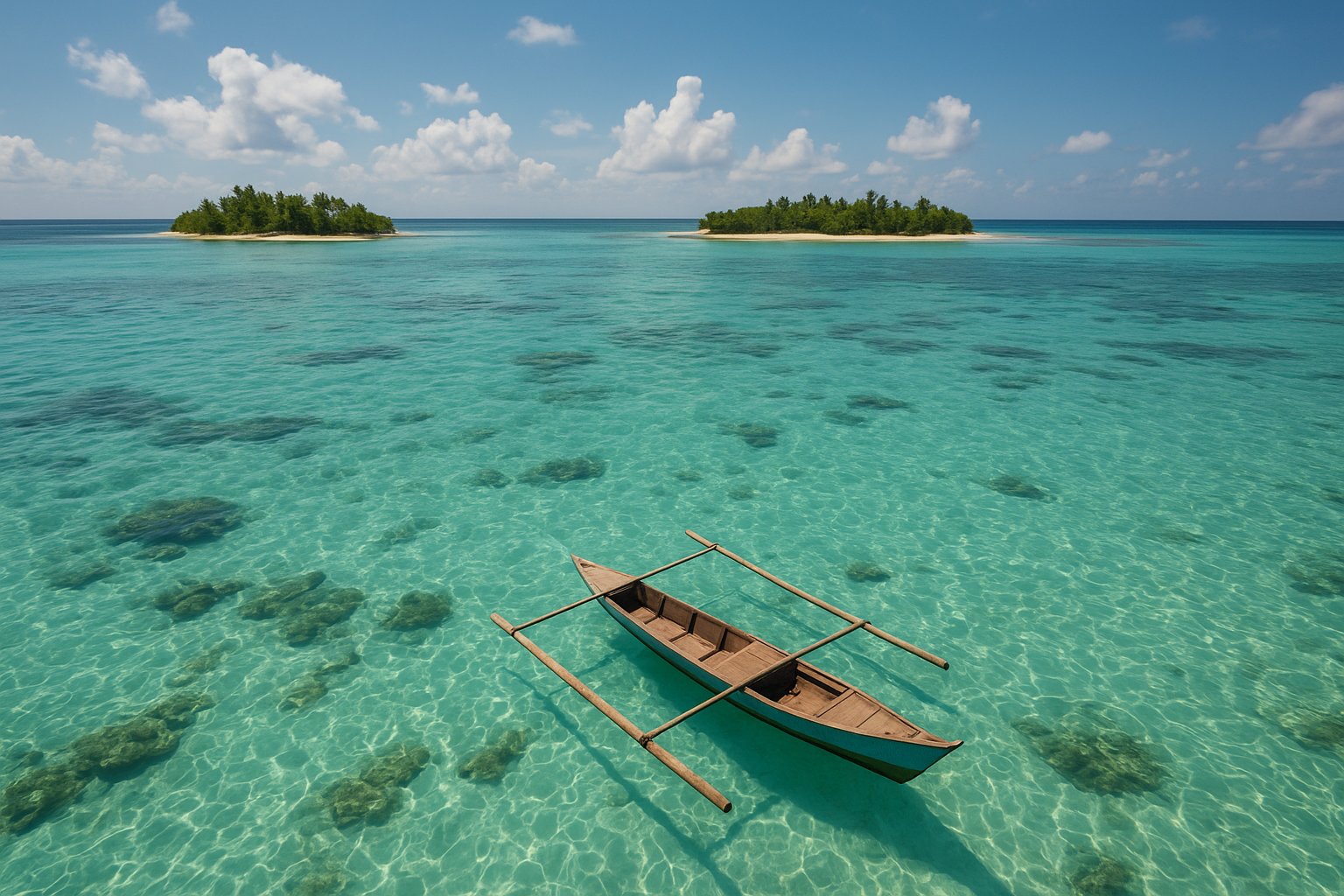
The Gili Islands are what easy reef snorkeling looks like when it works: three small car-free islands off Lombok's north-west coast, each ringed by shrunk-down reef and seagrass, with green and hawksbill turtles a routine part of the swim and coral gardens you can reach from the beach. Gili Trawangan is the busiest and the most developed; Gili Meno is the quietest and holds the famous underwater sculpture; Gili Air sits between them for atmosphere and easy water. None of them is untouched — the reef has taken real damage in places — but for warm, simple, from-the-shore snorkeling with turtles, it is hard to beat in Indonesia.
Seasonal guidance, not a forecast — no live tide tables, weather or marine advisories here; check local conditions before you go.
Why the Gilis are great for snorkeling
The main reason is turtles. The three islands sit inside a broad shallow seagrass and sand system, which is green turtle food, and generations of local protection combined with tourism-based economics mean turtles are common rather than rare here. On a good morning off Gili Meno you will see several, and you will see them from the surface without a boat.
The second reason is access. Because the islands are small and the reef is close, you can walk into the water on almost any shoreline and be over coral within a few fin-kicks, or take a ten-minute boat hop to a better patch. There are no cars or motorbikes anywhere on the three islands, the water is warm year-round, and the whole operation — gear, guides, boats — is set up for people who want a couple of hours in the water.
The third is variety within a small area: coral gardens and seagrass flats, a shallow underwater sculpture installation off Gili Meno, and reef-restoration structures installed by local conservation projects. It is a compact, genuinely enjoyable snorkeling landscape rather than a single site.
- Turtles as a routine sighting rather than a lucky one
- Coral gardens and seagrass reachable from the beach on all three islands
- 'Nest', an underwater sculpture installation off Gili Meno
- No cars, no motorbikes, short boat hops and warm water year-round
Best sites to prioritize
Start on Gili Meno. Turtle Point on the island's north-east shore is the islands' signature swim — a shallow reef slope where green and hawksbill turtles graze coral and seagrass — and on Meno's west coast sits 'Nest', Jason deCaires Taylor's circle of life-size figures on the seabed, in water shallow enough to see from the surface and dive down to. Both are popular, and both reward going early.
On Gili Air, the calm side of the island has patch coral, coral heads and a seagrass flat close in, with turtles working the same stretch — easy walk-in snorkeling, though parts of the flat are rubble rather than intact reef, so watch where you put your hands and knees. On Gili Trawangan, the quieter west and north coasts hold the best coral gardens, well away from the busy eastern strip, and the offshore restoration frames are worth a look as fish aggregation points.
Between the islands, the seagrass flats are the most underrated snorkel here: gentle, shallow and full of turtles feeding. Treat the channels between the islands with more respect — they carry current at the change of tide — and swim the flats rather than the straits.
When to go & conditions
The Gilis sit in the tropics, so water temperature is never the planning question: it is warm enough for a rashguard every month, and long sessions are comfortable. Rain is what changes the picture, because runoff from Lombok and the islands themselves takes the edge off visibility in the shallow inshore water that is the whole snorkeling proposition here.
The region broadly has a drier season with steadier conditions and a wetter one that is hotter, more humid and more unsettled, with the changeover months often some of the best water of the year. Because the islands are small and low, wind direction matters a lot: whichever coast is in the lee on the day is the one to swim, and local operators will know which side is calm.
Conditions can also shift quickly in the channels at tidal change, so plan your swims around the tide rather than through it, and ask locally each morning. Mornings are generally the calmest, clearest and least crowded window at Turtle Point and the sculpture.
Practical tips
Bring your own mask, snorkel and fins if you can — rental on the islands is plentiful but quality varies sharply — plus reef booties for the coral rubble entries and a rashguard for sun. Reef-safe sunscreen matters here because so much of the reef you are swimming is shallow.
Book boat trips through a licensed local operator and confirm what the trip actually visits. The three islands are close together and a lot of 'snorkeling trips' are really a boat tour with two swim stops; if the sea is up on one coast, an operator who knows the islands will move you to the other side rather than cancel.
Treat the wildlife properly. Never touch, ride or chase a turtle, give them space to surface and breathe, do not stand on or hold the coral, and stay off the seagrass with your fins — it is the turtles' food. 'Nest' is a protected artwork with coral growing on it: look, photograph, do not clamber.
One honest expectation to set: the Gilis are small, popular and close to Lombok, so the water carries boat traffic and parts of the reef show the pressure. The best snorkeling is at the least busy sites at the least busy hours. Verify local conditions, any site closures and the tide before you plan a day, and see the travel admin panel on the destination page for entry, health and emergency information.
Planning this trip?
Get the whole journey built end-to-end — flights, stays, boat days, gear and day-by-day timing notes — by the Double Fathom Concierge for a one-time $29. Re-plan any time, chat support through the trip, a destination-specific packing list, curated off-menu operators, and a printable offline PDF itinerary.
Secure checkout by Stripe — pay by card, receipt by email. A one-time, per-trip purchase — nothing recurring, and no rush either way.
Get the occasional best-reef dispatch
Trip-planning tips, seasonal reef picks and new-destination notes. No spam, unsubscribe anytime.
Explore the destination
Three tiny islands — Gili Trawangan, Gili Meno and Gili Air — just off Lombok's north-west coast in Indonesia, and the easiest genuinely good snorkeling in the region: fringing coral gardens and seagrass within a fin-kick or two of three separate shorelines, with green and hawksbill turtles a daily sighting rather than a lottery. There are no cars or motorbikes on any of the three, the water is warm year-round, and you can snorkel from the beach or take a short boat hop to a better patch. It is not untouched — these are small, popular islands and parts of the reef show it — but few places make snorkeling this simple.
Gili Islands destination guide →