Best Snorkeling in the Azores
5 min read · Field guide
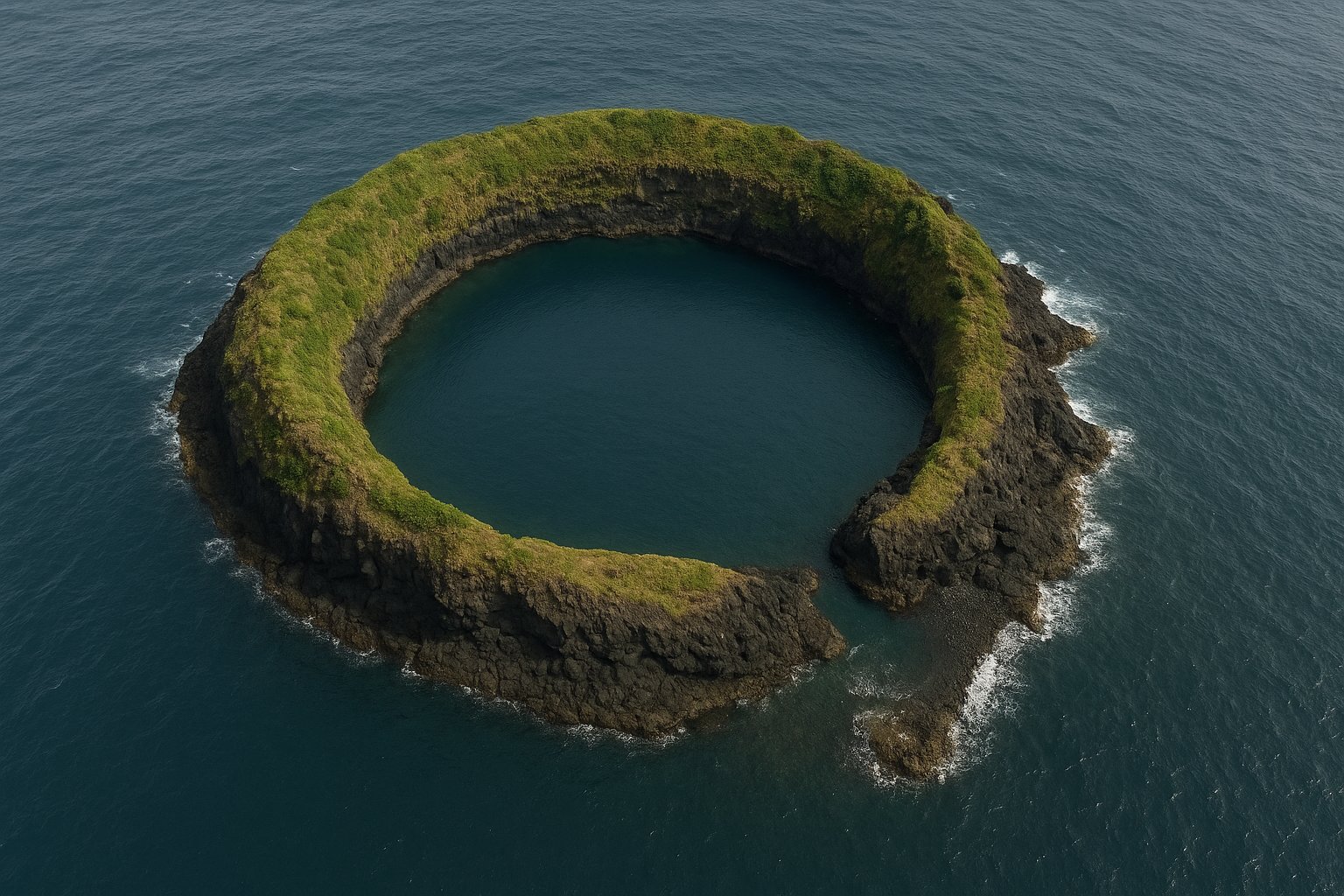
The Azores are nine volcanic islands in the middle of the North Atlantic, sitting on the Gulf Stream roughly a third of the way from Europe to America. The water is temperate rather than tropical — clean, deep-blue Atlantic with volcanic structure instead of coral — and that is the honest frame for the whole trip: you will want a wetsuit, you will not find a reef table, and what the islands offer instead is a lagoon inside a drowned crater, dramatic volcanic coast, and one of the Atlantic's genuine big-animal sites offshore.
Seasonal guidance, not a forecast — no live tide tables, weather or marine advisories here; check local conditions before you go.
Why the Azores are great for snorkeling
Mid-Atlantic means clarity and current. The Azores sit in clean, open ocean far from any continental shelf or river mouth, so the water is often remarkably clear, and the Gulf Stream keeps temperatures workable — cool by tropical standards, but far from the near-freezing north. Volcanic islands give you something reefs do not: collapsed craters, lava coasts, boulder fields and drop-offs within a short swim.
It is also an unusual trip for a snorkeler with a sense of adventure. The signature shallow site is a lagoon inside the rim of a drowned volcano, and the signature big-water site is a seamount in open ocean where mobula rays gather — a trip that sits somewhere between a boat day and an expedition. There is no coral here, and no pretending otherwise; the appeal is clarity, structure and pelagic life.
- A sheltered lagoon inside a drowned volcanic crater
- Remarkably clear open-Atlantic water
- Volcanic structure: boulders, craters, drop-offs
- Offshore seamounts where rays gather in summer
Best sites to prioritize
The Ilhéu de Vila Franca do Campo, off São Miguel, is the one to plan a day around: a small islet that is the rim of a submerged crater, holding a calm, near-circular lagoon connected to the sea by a narrow channel. It is sheltered enough to be the most relaxed swim in the archipelago, and it is also regulated — access in season is capped and reached by shuttle boat, so check the current rules before you build an itinerary on it.
Then the Princess Alice Bank, roughly forty-odd nautical miles off Faial and Pico, where upwelling draws mobula rays in numbers through the summer. Be realistic about it: it is a long open-ocean crossing, weather-dependent, and the bank is a dive-depth site where surface encounters happen but are never guaranteed. Go with an operator who has proper open-water capability. Closer to shore, Monte da Guia at Horta on Faial and the volcanic south coast of São Miguel give you easy, shore-reachable structure for the days when the sea is up offshore.
When to go & conditions
The Azores have a temperate, oceanic climate: mild all year, wetter and windier in winter, and warmest and most settled through the summer months. The Gulf Stream keeps water temperatures moderate rather than warm, so exposure protection is normal — a wetsuit for anything more than a short dip, and a thicker one out of season.
Weather is genuinely the planning variable here, because the islands sit in the path of Atlantic systems and there is no continental shelter. A west-coast cove can be flat and clear while the north coast is unrunnable, and the offshore banks only happen on a settled forecast. Build in spare days if the Princess Alice trip is the point of your visit.
Practical tips
Pack for cool water. A well-fitted wetsuit — or a shorty plus a hooded vest in summer — makes the difference between a twenty-minute dip and a proper session, and booties and gloves are worth having out of season. If you run cold, consider a drysuit or a thicker suit than you would take to the tropics.
Plan for the inter-island logistics. The archipelago is spread over hundreds of kilometres, and moving between São Miguel, Faial and Pico takes flights or ferries — pick one or two islands and go deep rather than trying to collect them all.
Use local operators for anything offshore, and for the regulated islet. The seamount trips are serious open-water days with real safety requirements, and local guides also know which coast is workable on the day, which is not something you can read off a forecast.
Carry insurance that covers boat-based and open-water activity. Nothing about this trip is a hotel reef, and the travel-admin panel on the destination page carries the verified entry, health, hospital and emergency information for the islands.
Planning this trip?
Get the whole journey built end-to-end — flights, stays, boat days, gear and day-by-day timing notes — by the Double Fathom Concierge for a one-time $29. Re-plan any time, chat support through the trip, a destination-specific packing list, curated off-menu operators, and a printable offline PDF itinerary.
Secure checkout by Stripe — pay by card, receipt by email. A one-time, per-trip purchase — nothing recurring, and no rush either way.
Get the occasional best-reef dispatch
Trip-planning tips, seasonal reef picks and new-destination notes. No spam, unsubscribe anytime.
Explore the destination
The Azores sit in the middle of the Atlantic on the Gulf Stream, in water that is temperate rather than tropical: expect roughly a wetsuit's worth of cool, clear water and volcanic coast rather than coral. The island of São Miguel alone offers a lagoon inside a drowned crater, and the offshore seamounts are a serious open-water trip for confident swimmers.
Azores destination guide →