Best Snorkeling in the Cook Islands
5 min read · Field guide
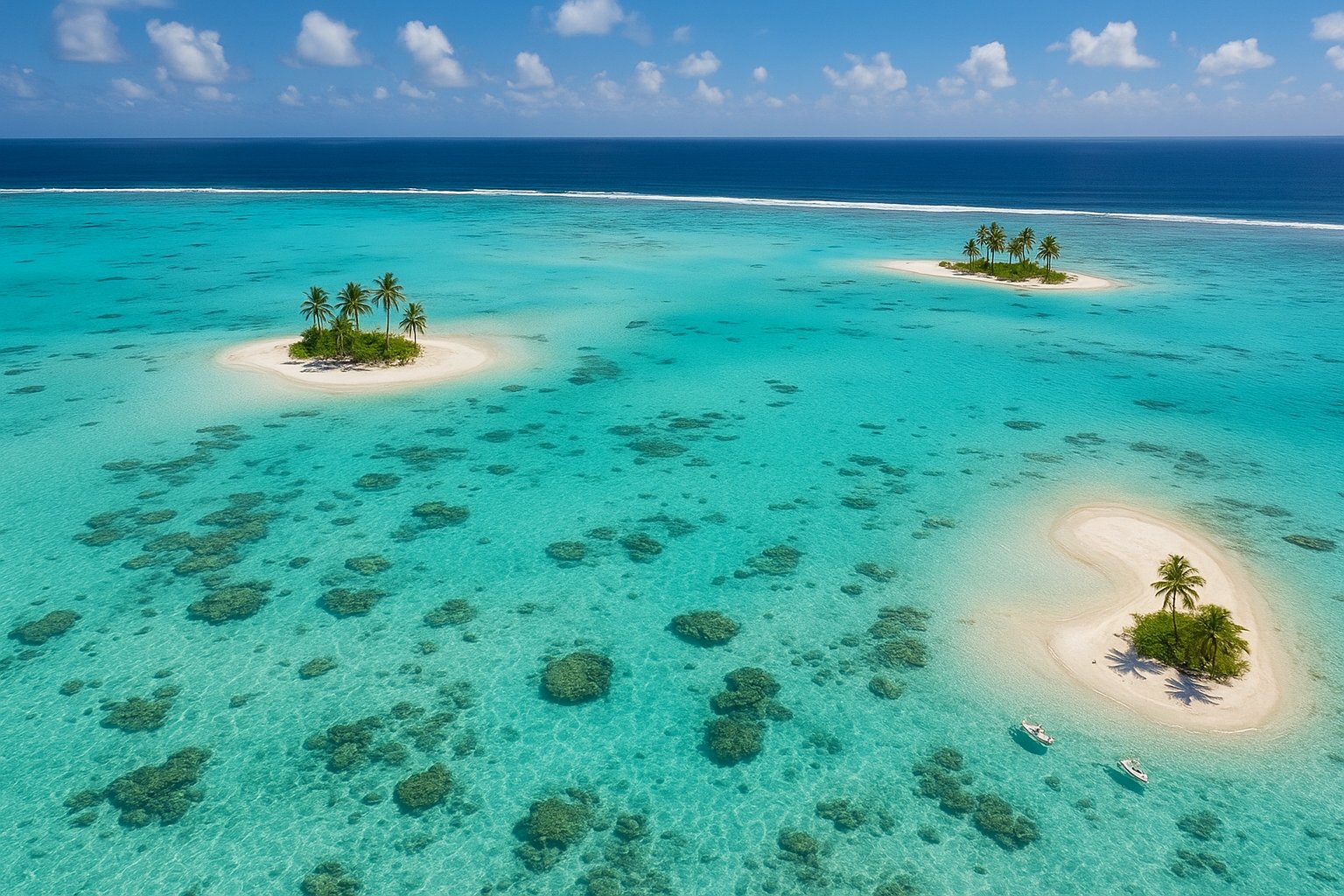
The Cook Islands are fifteen islands of the true South Pacific, in free association with New Zealand, and two of them carry the snorkeling. Aitutaki is the headline: a lagoon of absurd beauty, ringed by low motu, with coral heads scattered across brilliant shallows and giant clams on the reef. Rarotonga, the main island and the international gateway, is the everyday one — a fringing reef with a wide protected lagoon between the shore and the break, walk-in snorkeling from the beach, and a handful of reef passes where the water gets deeper, clearer and more alive. This is calm, warm, accessible Pacific snorkeling with a very long journey attached to it.
Seasonal guidance, not a forecast — no live tide tables, weather or marine advisories here; check local conditions before you go.
Why the Cook Islands are great for snorkeling
The first reason is the lagoons. Aitutaki's is one of the most photographed bodies of water in the Pacific, and it earns it: a huge, shallow, near-enclosed lagoon inside a reef rim, with coral heads scattered through sand channels and a chain of uninhabited motu along the edge. Snorkeling it is a boat-and-swim day over coral with reef fish, giant clams and the occasional ray, in water warm enough to stay in for hours.
The second is Rarotonga's accessibility. The main island has a fringing reef with a broad lagoon behind it, which means walk-in snorkeling from beaches, a swimmable shallow lagoon at Muri, and sheltered water on the island's west coast where the best from-the-shore snorkeling is found. For a country this remote, the everyday access is remarkably simple.
The third is the passes. The few openings in Rarotonga's reef bring the ocean in and out, and they concentrate marine life — turtles, eagle rays and fish — in water that is deeper and clearer than the lagoon. That is the advanced end of Cook Islands snorkeling, and it is genuinely worth doing properly with a guide.
- Aitutaki's lagoon: coral heads, sand shallows and a rim of uninhabited motu
- Walk-in lagoon snorkeling on Rarotonga, including the famous Muri lagoon
- Reef passes with turtles and eagle rays for confident swimmers
- Warm water and calm conditions on a genuine South Pacific scale
Best sites to prioritize
Give Aitutaki a full day, and it will probably be the best day of the trip. Licensed boat operators run lagoon trips that stop over coral heads at several points, with One Foot Island — Tapuaetai — the classic stop: a small flat motu on the reef rim with clear sand shallows and coral around it. The snorkeling is at the stops rather than in one place, so ask what your trip visits and how long is in the water.
On Rarotonga, start with Muri lagoon on the south-east coast, where four small motu sit inside the reef and the water is shallow, protected and easy — gentle enough for children in the right conditions. Be realistic about it: the coral close to shore and around the busiest parts of this lagoon has been heavily affected, and the better water is further out towards the motu and reef edge. Ask locally where it is healthiest.
Then the west coast around Aroa and Black Rock, which is the island's easiest saltwater swimming and its best from-the-beach snorkeling when the wind allows, with part of the coast under a traditional community protection arrangement. And for stronger swimmers, the reef passes — Rutaki and Aroa among them — where the ocean flow concentrates turtles and rays. Take those with a guide, on the right tide.
When to go & conditions
The Cook Islands sit in the tropical South Pacific with two broad halves to the year: a drier, cooler stretch with steadier trade winds and the most reliable boat days, and a warmer, wetter stretch that is hotter, more humid and overlaps the South Pacific cyclone season — so plans need flexibility in that half. Water stays warm enough for a rashguard or a thin shorty for most of the year.
Tides matter more here than the calendar does. Aitutaki's lagoon is huge and shallow, so low water exposes flats and changes where you can swim, and the popular stops look entirely different at either end of the tide. Rarotonga's passes are current features: they work on the flow, and an outgoing tide through a pass is not water to be swimming against. A tide table is as useful as a forecast on this trip.
Visibility varies with rain and swell rather than with a plan-able season. Ask each morning, follow the lee, and treat the operator's call on the day as final — these are small islands with open-ocean weather and their own local knowledge about which coast is workable.
Practical tips
Bring your own mask, snorkel and fins if you can, plus reef booties for the coral and rubble entries and a rashguard for the sun. Rental exists on both main islands, but sizes and quality are limited, and this is not a place to discover your mask leaks two flights from home.
Book lagoon trips and pass swims with licensed local operators and be specific about what you want: a lagoon trip is a boat tour with swim stops, and the stops are the snorkeling. For the passes, ask directly about the tide, the current, and whether the trip is suitable for your swimming ability.
Respect local rules, which here are often customary rather than posted. Parts of Rarotonga's coast sit under a ra'ui, a community no-take arrangement, and Aitutaki's lagoon is the island's food supply as well as its scenery: do not take clams or shells, do not stand on coral, and ask before assuming. The motu are inhabited and customary places, not film sets.
Finally, plan the remoteness honestly. Flights route through Auckland or Sydney with a limited schedule, there is a small domestic network to the outer islands, and serious medical cases are stabilised locally and transferred — usually to New Zealand for advanced care. Insurance that covers evacuation matters, and so does a check of the travel admin panel on the destination page for verified entry, health and emergency information.
Planning this trip?
Get the whole journey built end-to-end — flights, stays, boat days, gear and day-by-day timing notes — by the Double Fathom Concierge for a one-time $29. Re-plan any time, chat support through the trip, a destination-specific packing list, curated off-menu operators, and a printable offline PDF itinerary.
Secure checkout by Stripe — pay by card, receipt by email. A one-time, per-trip purchase — nothing recurring, and no rush either way.
Get the occasional best-reef dispatch
Trip-planning tips, seasonal reef picks and new-destination notes. No spam, unsubscribe anytime.
Explore the destination
A South Pacific island country of fifteen islands in free association with New Zealand, and two of them carry the snorkeling. Rarotonga, the main island, is ringed by a fringing reef with a lagoon between the shore and the break — easy, warm, walk-in water. Aitutaki, a short flight north, holds an enormous turquoise lagoon of coral heads, sand and uninhabited motu that is the picture most people have in mind when they say South Pacific. Expect coral, giant clams, rays and turtles in calm, clear water, plus a reef pass or two for stronger swimmers. It is a small country with real limits on infrastructure and a long way from anywhere, which is a large part of the appeal.
Cook Islands destination guide →