Best Snorkeling in Croatia
5 min read · Field guide
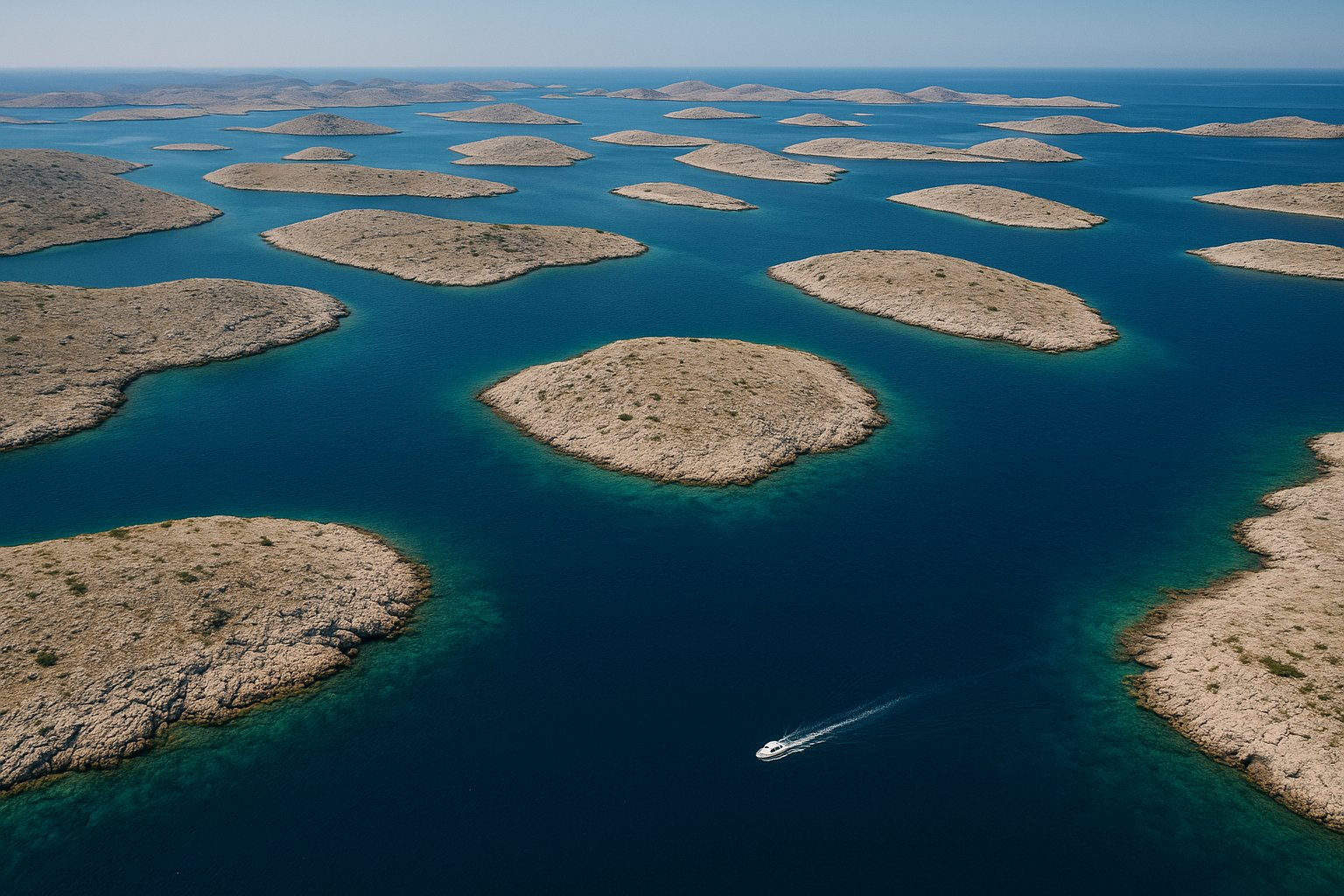
Croatia's coast is one of the most island-dense stretches of water in Europe: more than a thousand islands strung along the Adriatic, with limestone cliffs, transparent water and a maritime culture built around small boats. For a snorkeler, the draw is clarity and structure — the Kornati archipelago, the island of Vis with the Blue Cave on neighbouring Biševo, and the shallow coves of the Pakleni islands off Hvar. What it is not is coral reef, and the two most famous things in Croatian water are a cave you visit by boat and dive sites you do not snorkel.
Seasonal guidance, not a forecast — no live tide tables, weather or marine advisories here; check local conditions before you go.
Why Croatia is great for snorkeling
The Adriatic is a shallow, enclosed sea with little river runoff on the Croatian side, and that combination produces startlingly clear, blue water over pale limestone. The coast is also almost entirely rock: sea caves, gullies, boulder fields and vertical walls, with seagrass on the sandy patches and few sandy beaches on the islands at all.
It is a boat coast in the truest sense — the islands are the destination, the mainland is the launching point, and the best water is a short hop from a harbour rather than a swim from a resort. Snorkeling here rewards people who like reading structure and light: caves, channels and shallow rocky reef, rather than a reef table covered in coral.
- Extremely clear water over pale limestone
- Sea caves and channels rather than coral reef
- A genuinely island-based trip — boats, not beaches
- Two poles to plan between: the Kornati archipelago and Vis
Best sites to prioritize
Make the Kornati National Park your wilder half: a dense cluster of bare limestone islands with deep-blue channels between them, protected as a national park, reached by boat from the Šibenik or Zadar area. Much of the park has access rules, so go with a local operator and check what is permitted.
Then Vis, the furthest of the main Dalmatian islands and the one with the most character. Its south coast hides Stiniva, a pebble beach locked behind near-vertical cliffs and reachable through a narrow gap in the rock, and a short boat ride away is Biševo's Blue Cave — the single most famous sight in Croatian coastal water. Be precise about that one: it is a cave you visit by boat and generally enter by small rowing boat, and swimming inside is not normally allowed. Treat it as a spectacular visit rather than a snorkel. The Pakleni islands off Hvar are the easy, shallow, boat-hop-able counterpart, and the country's best bet for a relaxed afternoon in the water.
When to go & conditions
The swimming season runs broadly from late spring into early autumn, with the warmest, calmest water in mid-summer — and the busiest, most expensive coast in Europe along with it. June and September are the usual compromise: warm water, workable weather, fewer boats.
Wind decides the day, and the Adriatic has a vocabulary for it. A sustained offshore or coastal wind can put exposed coasts and cave entries off the table entirely and turn the sheltered side of an island into the only option, which is why the local boat operators plan by forecast rather than by itinerary. The water is cold enough in the shoulders and winter to want a wetsuit.
Practical tips
Travel as an island trip. The islands are reached by ferry or catamaran and then by small boat, and the good water is often a boat ride from where you sleep — build the plan around a base on Vis or in the Kornati area rather than trying to day-trip it from the mainland.
Bring a wetsuit for anything outside high summer, plus boots for rocky entries, and a surface marker buoy if you plan to swim away from a beach. Limestone is sharp and the entries are often stone or pebble rather than sand.
Respect the seagrass and the parks. Anchoring is restricted in parts of the Adriatic to protect Posidonia meadows, parts of the Kornati have access restrictions, and picking anything up from a protected seabed is a legal matter in Croatia, not just a courtesy.
Watch the traffic. Croatia's inshore waters are genuinely busy with small boats, charter fleets and ferries in season; snorkel well away from channels and harbour approaches, and never assume a boat has seen you.
Planning this trip?
Get the whole journey built end-to-end — flights, stays, boat days, gear and day-by-day timing notes — by the Double Fathom Concierge for a one-time $29. Re-plan any time, chat support through the trip, a destination-specific packing list, curated off-menu operators, and a printable offline PDF itinerary.
Secure checkout by Stripe — pay by card, receipt by email. A one-time, per-trip purchase — nothing recurring, and no rush either way.
Get the occasional best-reef dispatch
Trip-planning tips, seasonal reef picks and new-destination notes. No spam, unsubscribe anytime.
Explore the destination
The Croatian Adriatic is transparent, island-dense water: limestone, sea caves and seagrass, with the Kornati archipelago and the island of Vis as the two poles of a trip. Be honest about the seascape — this is rocky Mediterranean water with no coral reef, and the country's fame rests on dive sites and a cave you visit rather than swim.
Croatia destination guide →