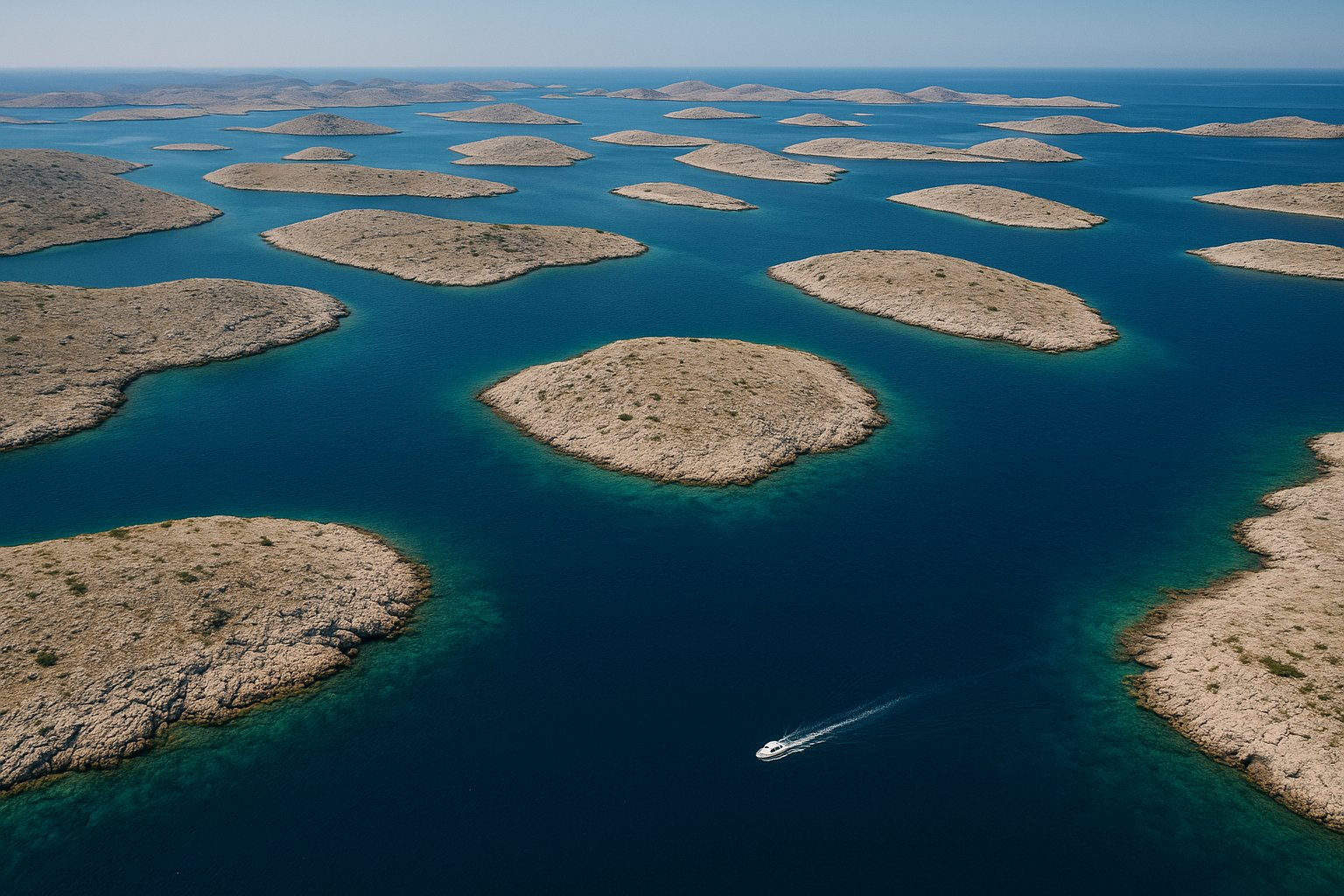
Vis & the Kornati islands, Croatia
Mediterranean

Croatia

Adriatic clarity — the Kornati islands, Vis and a cave that glows blue.

49

Double Fathom ranking

The Adriatic

Best for

The Croatian Adriatic is transparent, island-dense water: limestone, sea caves and seagrass, with the Kornati archipelago and the island of Vis as the two poles of a trip. Be honest about the seascape — this is rocky Mediterranean water with no coral reef, and the country's fame rests on dive sites and a cave you visit rather than swim.

Adriatic clarity · Islands

Key sites to explore

The distinctive underwater sights worth planning around. Descriptions are curated planning info — always verify local access, rules and conditions before you set out.

01

The Blue Cave (Modra špilja), Biševo

Sea cave

📍 Biševo, off Vis, central Dalmatia

The cave on the islet of Biševo where sunlight entering through an underwater opening floods the water with a luminous blue glow. It is the single most famous thing in Croatian coastal water.

Be clear about what this is: a cave you visit by boat, generally entered by small rowing boat in a short timed window, and swimming inside is not normally permitted. Check the current rules with a licensed Vis operator rather than assuming a snorkel.

02

The Kornati islands

Marine reserve

📍 Kornati National Park, off Šibenik and Zadar

A dense archipelago of bare limestone islands in a national park, with clear, deep-blue water, rocky reef structure and sheltered channels between the islands — the wildest, most island-heavy water in the Adriatic.

Much of the park is protected and access to parts of the islands is restricted or requires a park ticket — check current rules and go with a local operator rather than anchoring where you like.

03

Stiniva cove, Vis

Shore reef

📍 South coast of Vis

A pebble beach locked behind near-vertical cliffs and reachable only through a narrow gap in the rock, with clear water, boulders and the distinctive Adriatic light on limestone walls.

The cove is tiny and crowded in season, and the entrance gap is a boat channel — swim well clear of it, and expect a steep or swim-in approach rather than an easy shore entry.

04

The Pakleni Islands, Hvar

Shore reef

📍 Off Hvar town, central Dalmatia

A wooded chain of small islands with sheltered coves, clear shallows and a shallow reef edge along the channels between them — the easiest, boat-hop-able island snorkeling in the country.

These coves are on the busiest boating routes in Croatia: watch for traffic, and remember anchoring is restricted in parts of the Adriatic around seagrass.

Snorkeling in Croatia: quick answers

Can you snorkel inside Croatia's Blue Cave?
No. The Blue Cave (Modra špilja) on Biševo is a cave you visit by boat, generally entered by small rowing boat within a short timed window, and swimming inside is not normally permitted — check the current rules with a licensed Vis operator rather than assuming a snorkel. The genuinely snorkelable water around Vis is the outside coast, including coves such as Stiniva, which are reached by sea.
Do you need a boat to snorkel Croatia?
Largely yes. The Croatian Adriatic is an island coast: the Kornati archipelago and the islands around Vis are reached by ferry and then by small boat, and the good shallow water is often a short hop from a harbour rather than a swim from a beach. Parts of the Kornati National Park carry access restrictions and anchoring is limited around seagrass, so going out with a local operator is both the practical route and the respectful one.

Local food gems

Eat like a local — three off-the-radar spots to round out a day in the water. Spots above the tourist strip, found by asking where the boat crews and neighbours actually eat.

01

Peka — meat or octopus slow-cooked under a bell

Vis, Hvar's villages and the Dalmatian islands

The Dalmatian coast's signature way of cooking: meat (often lamb) or octopus with potatoes and vegetables, cooked for hours under a metal lid buried in embers. It is the meal a Croatian family makes for guests, and it needs ordering ahead.

Tip: Peka is normally ordered a day ahead and usually for two people or more — arrange it with your host or accommodation rather than expecting it off a menu on the night.

02

Grilled Adriatic fish with blitva

Vis, Hvar and the island konobas

The everyday island meal: whole fish grilled simply over charcoal, served with blitva — Swiss chard and potatoes with garlic and olive oil — plus lemon and local olive oil. In a konoba, the fish comes from that morning's boats.

Tip: Ask to see the fish and have it priced by weight before it is cooked; that is normal practice on the Croatian coast, and choosing a smaller fish is often the better meal anyway.

03

Gregada, a Dalmatian fish stew

Vis and the southern Dalmatian islands

A white fish, potato and onion stew, cooked with olive oil and wine and little else — the fishermen's dish of the Adriatic islands, and a good way to eat very fresh fish without paying restaurant prices for it.

Tip: Look for it in the smaller island konobas away from the harbour; it is often the daily dish rather than a menu item, and the best versions are the ones with the fewest ingredients.

Planning Croatia?

Get the whole journey built end-to-end — flights, stays, boat days, gear and day-by-day timing notes — by the Double Fathom Concierge for a one-time $29. Re-plan any time, chat support through the trip, a destination-specific packing list, curated off-menu operators, and a printable offline PDF itinerary.

$29 / trip · one-timeBuy Concierge — $29

Secure checkout by Stripe — pay by card, receipt by email. A one-time, per-trip purchase — nothing recurring, and no rush either way.

Ready to plan Croatia properly?

The free Mission Briefing is one fixed Raja Ampat sample — not a custom build. To have this destination planned properly, the $29 Concierge tier plans around your dates and re-plans as often as you like.