Best Snorkeling in French Polynesia
6 min read · Field guide
French Polynesia is lagoon water at its most photogenic: shallow, lit from below, and full of coral, stingrays and small sharks within a few minutes of a beach. Moorea and Bora Bora are the accessible version — wide lagoons inside barrier reefs, with coral gardens in wadeable depth. Rangiroa, Tikehau and Fakarava in the Tuamotus are the other version: enormous atolls where the tide runs through narrow passes and the big animals ride it. The two make an excellent pair of islands in one trip, as long as you are honest about which of them suits your swimming.
Seasonal guidance, not a forecast — no live tide tables, weather or marine advisories here; check local conditions before you go.
Why French Polynesia is great for snorkeling
The lagoons are the product of the geology: volcanic islands and atolls ringed by barrier reefs, which trap clear, shallow water inside them. Inside that ring the water is calm, warm and bright, the coral sits close to the surface, and you can snorkel for an hour without going deeper than a few metres — which is exactly what makes it so easy to enjoy. It is also why these lagoons are so good for less confident swimmers and for families.
Outside the ring is the opposite. The passes that connect each lagoon to the open ocean concentrate the tide into a narrow channel, and everything in the atoll's food chain lines up in the flow — grey reef sharks, big schools, dolphins and, at the right atolls, mantas. Drift snorkeling a pass is a genuine thrill and a genuine technical exercise, in water that moves far faster than anything in the lagoon.
- Wide, shallow barrier-reef lagoons with coral in wadeable depth
- Rays and small sharks over sand and coral gardens, close to shore
- Tide-driven passes with sharks, schools and mantas in the open Pacific
- Enormous, sparsely populated atolls with far fewer boats than the Society Islands
Best sites to prioritize
Moorea is the place to start. Its lagoon is wide and shallow, cut by the two big bays — Cook's and Opunohu — with coral gardens in knee-to-chest depth and stingrays and blacktip reef sharks over the sand. Much of it is a short swim from a beach or a few minutes by boat, which makes it the most accessible lagoon snorkeling in the country. Be straight about the ray and shark aggregations: they exist because operators have fed them for years, the practice is controversial locally, and the animals are wild — do not touch or grab them, follow whatever rules currently apply, and do not treat the encounter as guaranteed.
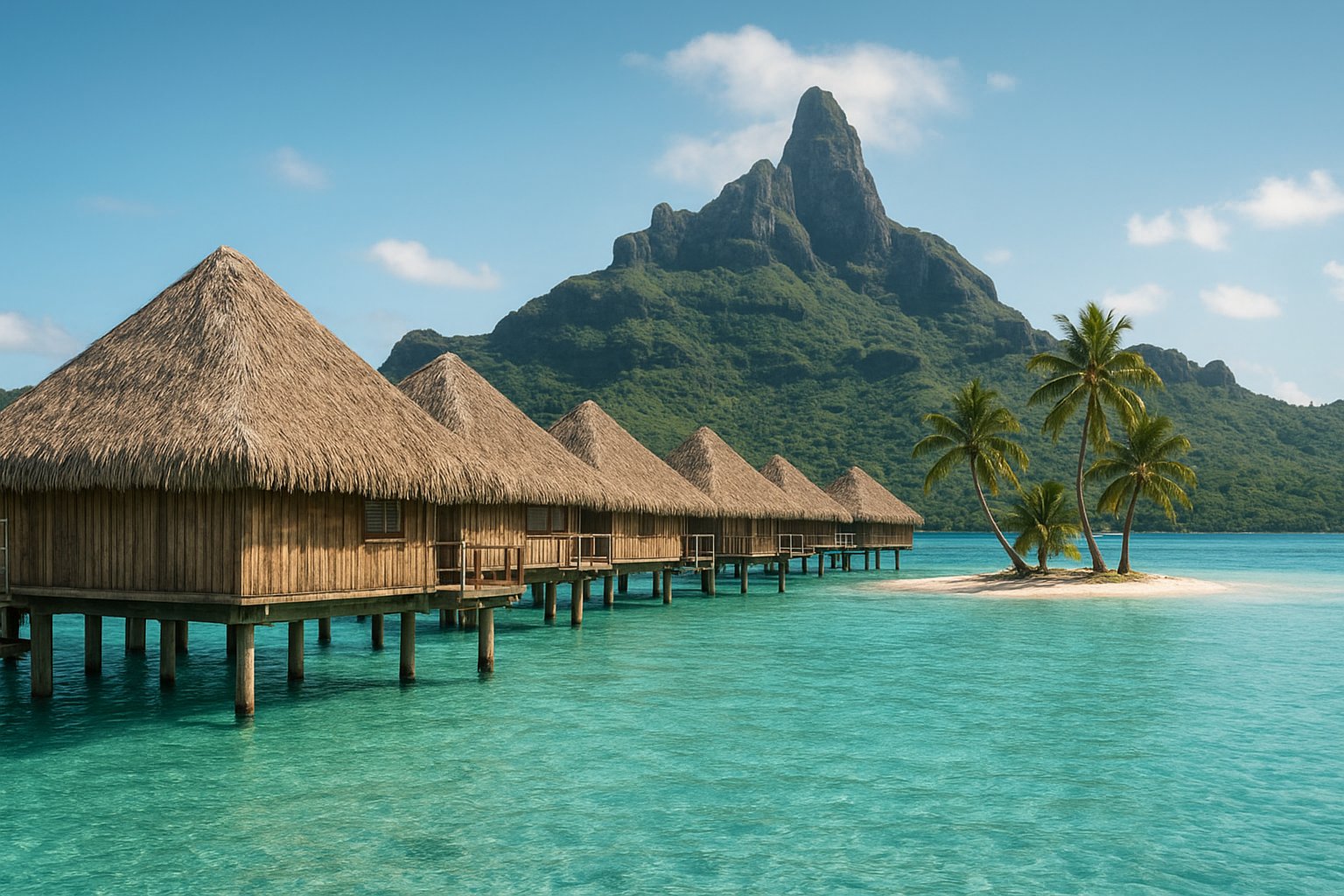
Bora Bora is the same water with more scenery: a barrier reef enclosing a broad lagoon of coral gardens and channels, with rays and small sharks over the sand shallows and the best coral along the lagoon's inner edge. Snorkeling is mostly by boat between the motus, and the coral nearest the busiest hotel frontages sees the most traffic — go with an operator who uses moorings and keep your fins off the reef.
In the Tuamotus, Tikehau is the gentle option: a huge, very shallow lagoon with coral heads scattered across pale sand, reef fish everywhere and manta rays reported at the atoll's cleaning and feeding areas. Sightings are never guaranteed — mantas follow plankton and tide, not schedules — and much of the lagoon is ankle-to-waist deep over coral, so watch your fins and never stand on the bottom.
Then there is Rangiroa's passes — the atoll's famous water and the reason serious snorkelers make the flight. Tiputa and Avatoru are two narrow channels into a lagoon the size of a small sea, and on an incoming tide the flow funnels through and carries you past grey reef sharks, dolphins, turtles and big schools in extraordinary clarity. This is drift snorkeling at scale, and it is not beginner water: the pass is deep, open and fast, the window is the incoming tide, and if the flow is wrong there is no snorkel at all. Go only with a local operator who reads the tide.
Fakarava is the other Tuamotu name worth knowing — a UNESCO-listed biosphere reserve atoll whose south pass is known for dense fish life and large numbers of grey reef sharks. The south pass itself is drift water with serious flow and is normally dived rather than snorkeled; the realistic snorkel options are the lagoon-side coral and drift lines on a favourable tide, with a local guide.
When to go & conditions
The dry, cooler season broadly from May to October is the most comfortable window: steadier trade winds, less rain and reliable boat days. The wet season broadly from November to April is hotter, more humid and wetter, and it overlaps the South Pacific cyclone season, so plans need flexibility then. Water temperature stays warm enough for a rashguard or a thin shorty most of the year.
Within any season, the tide matters more than the calendar at the Tuamotu atolls. The passes work on the incoming flow, and the lagoon's shallow coral is easiest at high water — so the same day can offer entirely different snorkeling an hour apart. Build the plan around the tide table with a local operator, and accept that a boat day can be moved rather than forced.
The trade winds shape the Society Islands' lagoons too: the sheltered side of an island is calmer, the exposed side carries chop, and afternoon breezes stir the surface. Mornings are generally the flattest and clearest window, especially on the lagoon's outer margins. Verify current local conditions and marine forecasts for your dates, and check whether any lagoon area is restricted at the time you travel.
Practical tips
Plan the islands as a flight itinerary. French Polynesia is spread across archipelagos, so getting between the Society Islands and the Tuamotus means domestic flights — book them early, allow slack around connections, and do not build an itinerary that depends on two flights and a boat on the same day. The currency is the CFP franc, pegged to the euro, and outside Papeete the choices of shops and services thin out fast.
Take lagoon etiquette seriously. The water is shallow and the coral is close to the surface, so keep your body and fins off the bottom, never stand on coral or sand where coral is growing, and give the rays and sharks space rather than crowding them. Where operators feed animals, follow the rules that currently apply and never handle wildlife yourself.
On safety, be honest about your swimming. Lagoon snorkeling here is genuinely easy, and the passes are genuinely demanding — deep, fast, open water with no bottom in sight. If you are not confident in current, do the lagoons and leave the passes to a guided drift with a boat following you. Bring your own well-fitted mask, a rashguard for the equatorial sun, booties for the coral shallows and a dry bag for the boat.
Planning this trip?
Get the whole journey built end-to-end — flights, stays, boat days, gear and day-by-day timing notes — by the Double Fathom Concierge for a one-time $29. Re-plan any time, chat support through the trip, a destination-specific packing list, curated off-menu operators, and a printable offline PDF itinerary.
Secure checkout by Stripe — pay by card, receipt by email. A one-time, per-trip purchase — nothing recurring, and no rush either way.
Get the occasional best-reef dispatch
Trip-planning tips, seasonal reef picks and new-destination notes. No spam, unsubscribe anytime.
Explore the destination
French Polynesia — a French overseas collectivity spread across five archipelagos — is above all a place of lagoons. Moorea and Bora Bora give you shallow, bright, protected water with coral gardens, stingrays and small sharks, close enough to shore to swim from a beach or a short boat ride. Rangiroa is the other half of the story: its passes are current-driven drift snorkels with big animals and real tidal flow, and they are not beginner water. Getting between the islands means flights, so a trip is usually two or three islands rather than one.
French Polynesia destination guide →