Best Snorkeling in Los Roques, Venezuela
5 min read · Field guide
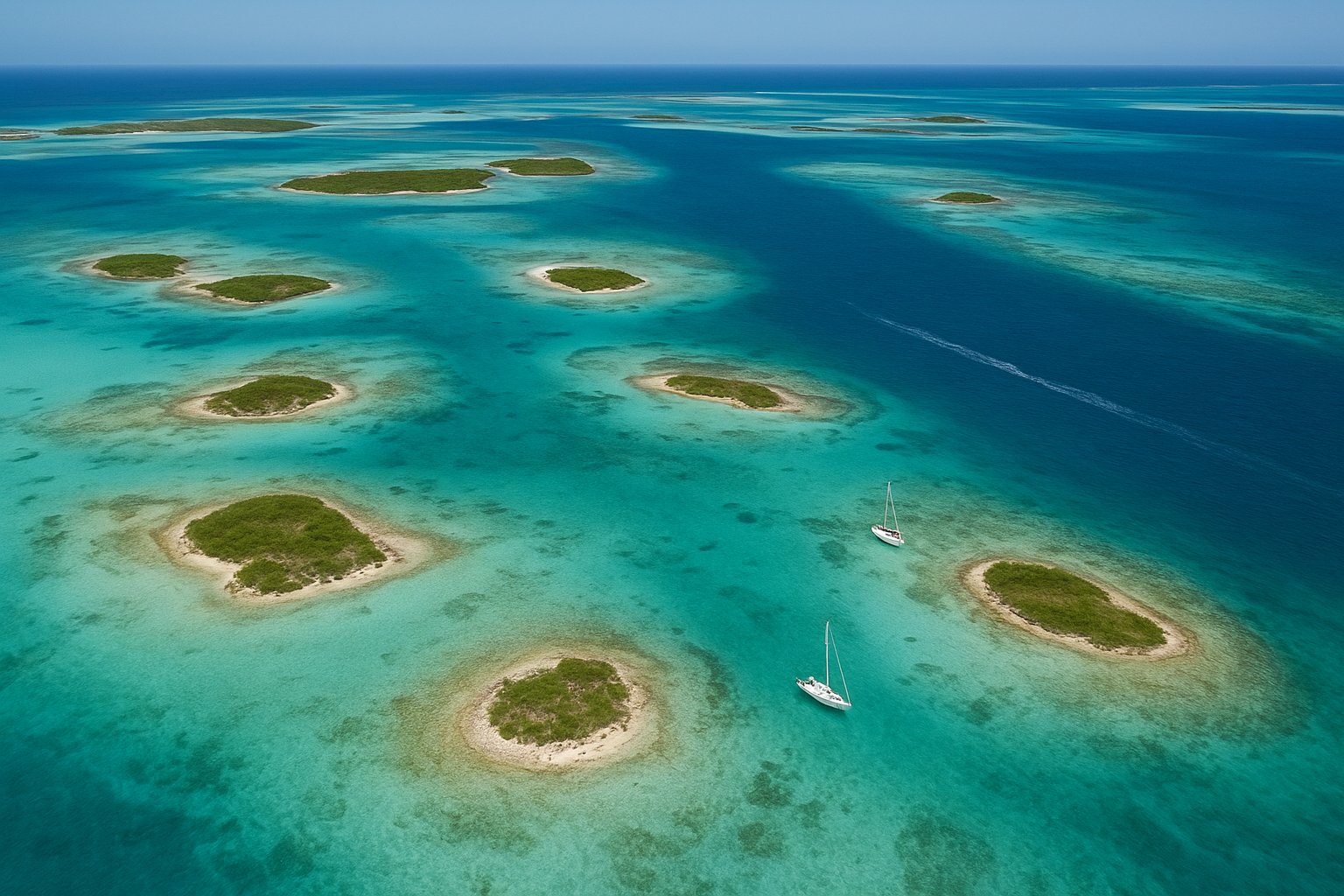
Los Roques is one of the genuinely great snorkeling lagoons of the Caribbean. Dozens of low cays sit inside a long barrier reef, with shallow water so clear it looks lit from below, and the whole archipelago is protected as a national park. It is also, by a distance, the most complicated trip in this catalog: you reach it through Caracas and a domestic flight to the island of Gran Roque, and both the US State Department and the UK Foreign Office currently advise against travel to much of Venezuela. The water justifies the reputation. Planning it, though, starts with current government advisories on safety and access rather than with the snorkeling.
Seasonal guidance, not a forecast — no live tide tables, weather or marine advisories here; check local conditions before you go.
Why Los Roques is great for snorkeling
The geography does the work. A barrier reef runs along the archipelago's seaward edge and shelters everything behind it, so the water inside is shallow, protected and extraordinarily clear — the kind of clarity that makes a four-metre swim feel like hovering. Snorkeling here is less about a single spectacular wall and more about volume: cay after cay of coral patches, sand channels, seagrass and mangrove edge, all in warm, calm water.
The scale is different from a resort island too. Gran Roque is the only settled island; everything else is uninhabited cay and sandbar, and a day out means moving between a few of them by boat. That is both the appeal and the practical reality: there is no house reef to walk off, and the trip is built around a boat, a skipper and the day's wind.
- A barrier reef sheltering shallow, exceptionally clear lagoon water
- A whole archipelago of low, mostly uninhabited cays, worked by boat
- Mangrove channels and seagrass flats as well as coral — different water on the same trip
- Los Roques is a national park: protected water is the reason it looks the way it does
Best sites to prioritize
Cayo de Agua is the signature. Two stretches of sand joined by a shallow sandbar, calm water on both sides, coral and reef fish in the shallows — this is the cay you have seen in photographs, and the swim is more about light and clarity than reef scale. Ask your skipper to put you there early, before the day boats arrive.
The barrier reef itself is the structure that makes the lagoon work. The snorkelable water is the shallow back-reef and the coral patches on the lagoon side; the seaward face drops into deeper, more exposed reef that is a diving and experienced-swimmer proposition, not a casual swim. Whether a boat can work the outer reef at all depends on wind and swell, so treat that as a decision for the day and the skipper rather than something to pre-book.
For contrast, ask for Francisquí and its mangrove channels: shallow, calm and green-edged, where the fish are small and numerous because the mangroves are the nursery for the whole archipelago's reef life. In the south-west, the shallows around Dos Mosquises — where Los Roques' long-running marine research station sits — are seagrass flats and coral patches where green turtles are regularly seen grazing. Both are gentler snorkels than the open reef, and both are easily damaged: stay off the bottom and never stand on coral or seagrass.
When to go & conditions
Wind, not temperature, decides the day at Los Roques. The trade winds dominate, and the calmest, clearest window tends to fall in the drier months, roughly December to April. The archipelago sits at low latitude, south of the main hurricane track, but it is still within the Atlantic storm season — so forecasts matter, and a spell of wind can put the exposed cays out of reach while the sheltered lagoon side stays perfectly swimmable.
Water stays warm through the year. The real seasonal planning question is not what the sea is doing but what you can reach: which cays the boats can work, whether landings are possible, and whether trips are running at all. Confirm schedules and current operating conditions locally, and treat every day as weather-dependent.
And before any of that: check current government advisories on travel to Venezuela. Conditions and advice change, so the advisory — not a blog post or an old trip report — is where planning should start.
Practical tips
Accept that this is a logistics-first destination. You fly to Caracas and then take a domestic flight to Gran Roque, the only island with an airstrip; from there everything happens by boat. Build slack into the itinerary, because weather, aircraft availability and schedules all have a say in whether a given day happens at all.
Travel with real situational awareness: check your own government's current advisory for Venezuela and for the archipelago, arrange travel insurance that actually covers the trip, and follow local guidance on movement and security from your operator once you are there. Be honest with yourself about your risk tolerance — the water being wonderful does not change the security picture, and this is the one destination in the catalog where we want you to make the call knowingly.
On the water, the rules are park rules: no anchoring on coral, no standing on reef or seagrass, no touching turtles, and no collecting anything. Boats use designated moorings and landings. Bring your own well-fitted mask and fins, a rashguard for long surface swims and strong sun, and a dry bag — the logistics of a cay-hopping day are much easier with gear that survives a wet boat.
Planning this trip?
Get the whole journey built end-to-end — flights, stays, boat days, gear and day-by-day timing notes — by the Double Fathom Concierge for a one-time $29. Re-plan any time, chat support through the trip, a destination-specific packing list, curated off-menu operators, and a printable offline PDF itinerary.
Secure checkout by Stripe — pay by card, receipt by email. A one-time, per-trip purchase — nothing recurring, and no rush either way.
Get the occasional best-reef dispatch
Trip-planning tips, seasonal reef picks and new-destination notes. No spam, unsubscribe anytime.
Explore the destination
Los Roques is one of the genuine world-class snorkeling lagoons of the Caribbean — dozens of low cays inside a barrier reef, with shallow, protected, glass-clear water. It is also the most complicated trip in this catalog: access runs through Caracas and a domestic flight to Gran Roque, and both the US and UK governments currently advise against travel to much of Venezuela. Check current government advisories on safety and access before you plan anything. The water is the draw; the access and safety picture is the honest caveat.
Los Roques, Venezuela destination guide →