Indo-Pacific
Best Snorkeling in Raja Ampat
6 min read · Field guide
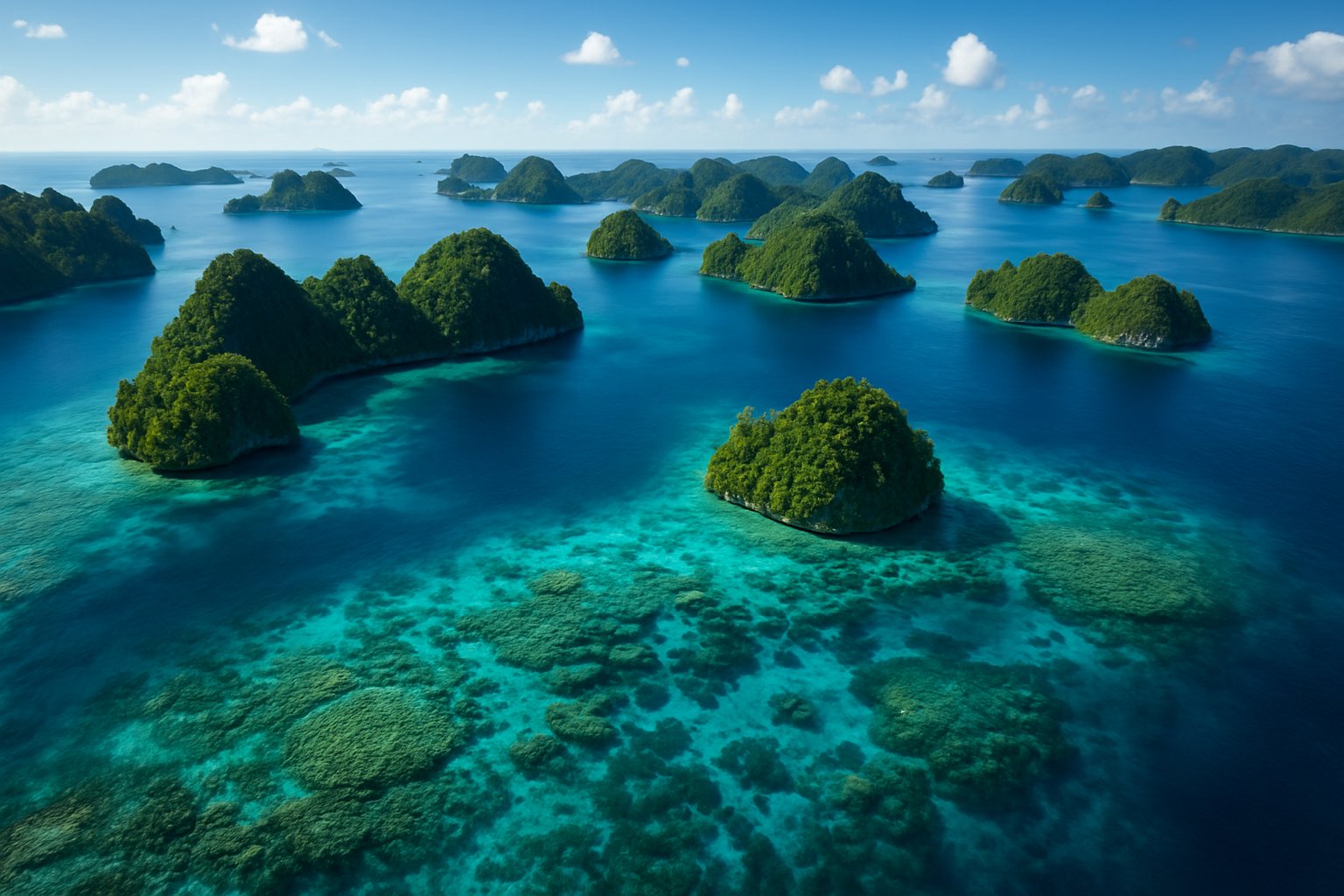
Raja Ampat is the benchmark every other reef gets measured against. Set off the northwest tip of Papua in Indonesia, this archipelago of more than 1,500 islands sits at the heart of the Coral Triangle — the most biodiverse stretch of ocean on the planet. For a snorkeler, that translates to most of what other destinations can only approximate: teeming, healthy, glass-clear reefs where the life is so dense it feels choreographed. It's remote and it rewards planning, but no serious clear-water snorkeler should write it off as a divers-only dream.
Seasonal guidance, not a forecast — no live tide tables, weather or marine advisories here; check local conditions before you go.
Why Raja Ampat is great for snorkeling
Few places let a snorkeler swim into the textbook version of a thriving reef. Raja Ampat's waters hold around 75% of the world's known hard-coral species and more than 1,300 reef-fish species — a diversity count that puts it at the top of the charts for marine biodiversity.
Because so much of it is protected or sparsely visited, you find the kind of intact coral gardens that have vanished from busier reefs, often in water clear enough to see 30 metres. Add rare blue-water mangrove snorkels and seasonal manta cleaning stations, and you have a destination built for people who want the most life per breath of snorkel.
- The healthiest, most biodiverse reefs a snorkeler can reach
- Rare clear-water mangrove snorkeling around the root systems
- Seasonal reef-manta cleaning stations in the central channels
- Remote eco-lodges and liveaboards that keep the pressure low
Best sites to prioritize
Raja Ampat runs on boat access, and the classic sites fall into three groups. In the south, Misool's limestone lagoon reefs are protected by ancient karst walls, with dense coral gardens in calm, mirror-clear water — the postcard image of Raja Ampat. In the north, the Piaynemo and Wayag karst seascapes put you among small fish and coral in shallow turquoise channels beneath the mushroom-shaped islets.
For something quieter, the blue-water mangroves near Kri and Mansuar islands let you drift the root systems in search of baby fish and small rays — a rare nursery snorkel. And in the central channels, the manta cleaning stations at sites like Manta Sandy are where reef mantas hover to be groomed; sightings are seasonal and never guaranteed, but when they come in, the show is unforgettable.
When to go & conditions
The broad sweet spot is October to April — the region's drier season — when seas are calm and visibility peaks. Manta cleaning-station activity tends to ramp up in the wetter, plankton-rich months from roughly December to March; the trade-off is more rain.
Raja Ampat sits close to the equator, so water stays warm (typically 27–30°C) year-round and surface chill is rarely a factor. Wind and swell matter far more than temperature when picking your weeks.
Practical tips
Treat Raja Ampat as a boat-based expedition. Most sites sit in protected channels well away from the airstrip and ferry hubs of Sorong and Waisai, reached by your eco-lodge or liveaboard. Multi-day trips that fold in Piaynemo make the logistics worthwhile, and an ecolodge's house reef often rivals anything on the itinerary.
Respect the local no-touch rules at the manta stations and give the animals space. Plan a real trip — a week or more gives you the variety — and build your itinerary from the ground up so the remote location works for you rather than against you.
Plan the trip: verified tours & stays
Boat days, reef tours, transfers and where-to-stay picks for this destination, linked on verified booking partners. Availability and live pricing are shown on the partner site at booking time.
Book this tour on GetYourGuide ↗
Raja Ampat: 5-Day Diving Trip with Piaynemo Excursion
from $2,050Raja Ampat hotels & eco-lodges on Booking.com
Affiliate links — we may earn a commission at no extra cost to you. Prices shown are indicative “from” amounts, not live or guaranteed.
Planning this trip?
Get the whole journey built end-to-end — flights, stays, boat days, gear and day-by-day timing notes — by the Double Fathom Concierge for a one-time $29. Re-plan any time, chat support through the trip, a destination-specific packing list, curated off-menu operators, and a printable offline PDF itinerary.
$29 / trip · one-timeBuy Concierge — $29
Secure checkout by Stripe — pay by card, receipt by email. A one-time, per-trip purchase — nothing recurring, and no rush either way.
Get the occasional best-reef dispatch
Trip-planning tips, seasonal reef picks and new-destination notes. No spam, unsubscribe anytime.
Explore the destination
The single most biodiverse marine region on Earth. If you want the most life per breath of snorkel, this is the benchmark — but it's remote and rewards those who plan a real expedition.
Raja Ampat destination guide →