Best Snorkeling in Scotland
6 min read · Field guide
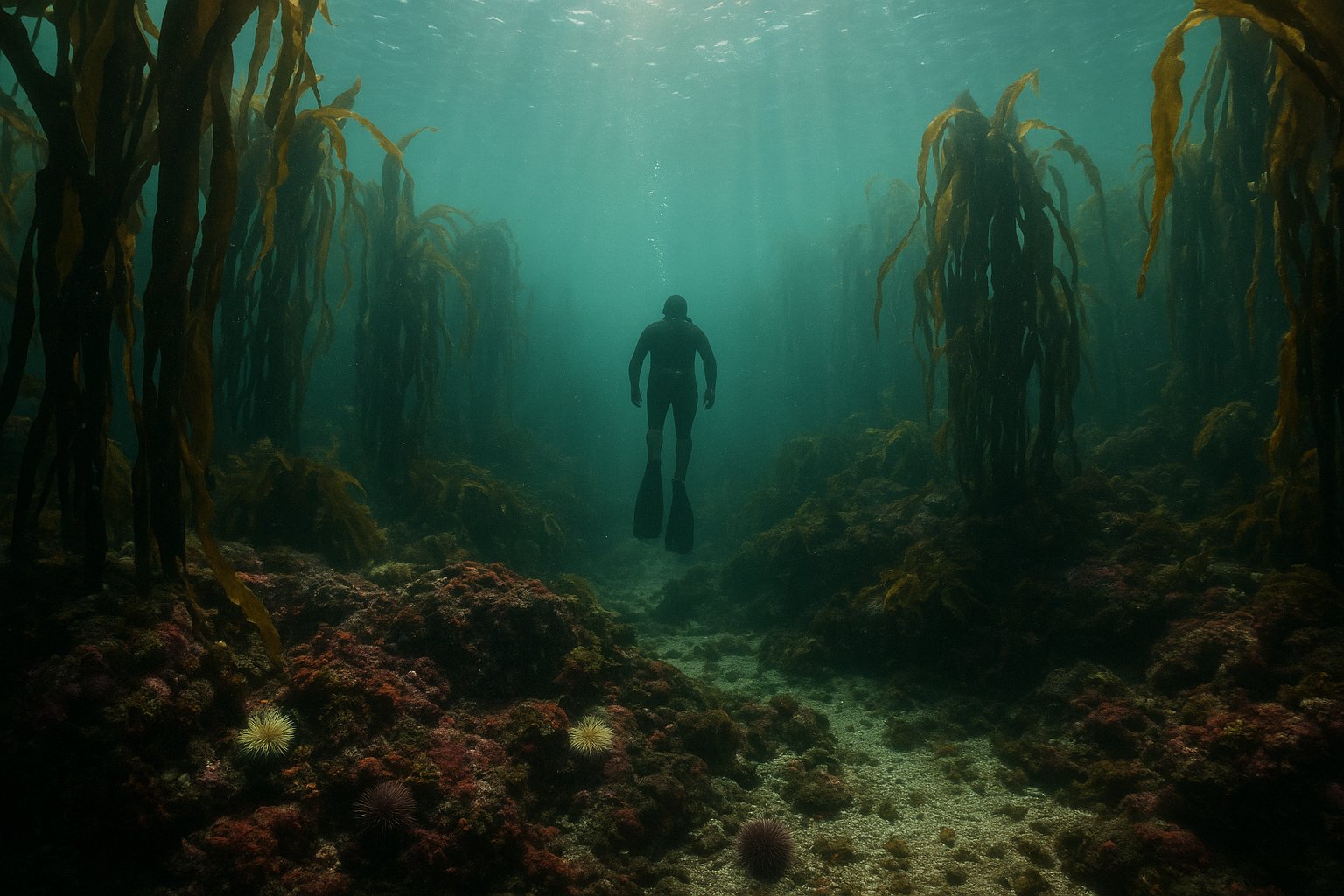
Scotland is the cold-water entry in this catalog, and it deserves to be taken on its own terms rather than compared to a reef. The west coast and islands hold kelp forests, rocky reefs and clear sea-loch water, with a marine life list that has nothing to do with coral: kelp, crabs, scallops, nudibranchs, wrasse, seals and, in summer, basking sharks. It is snorkeling in a drysuit in water that stays cold all year — and it is genuinely worth the trouble, as long as nobody tells you it is tropical.
Seasonal guidance, not a forecast — no live tide tables, weather or marine advisories here; check local conditions before you go.
Why Scotland is great for snorkeling
Cold water holds more oxygen and, on a settled day, more clarity than most people expect from a northern coast. Where the Atlantic meets Scotland's glaciated coastline you get a maze of sounds, straits and sea lochs with hard rock, kelp forest and tidal flow — and that flow is what feeds a surprisingly rich marine community, from scallop beds and brittlestars to wrasse, conger eels and common seals.
The reach is the other half of the appeal. You do not need a long-haul flight: a full cold-water experience — kelp, rocky reef, a legally protected No Take Zone, a voluntary marine reserve, and basking sharks in the Hebrides in summer — sits inside the United Kingdom, reachable by road and ferry. For a snorkeler who has never put a drysuit on, it is the most accessible way to learn what temperate water actually looks like.
- Kelp forests you can swim through at the surface
- Rocky reef, sea lochs and tidal sounds in one coastline
- Scotland's first No Take Zone, on the Isle of Arran
- Seasonal basking sharks off the Hebridean coast
Best sites to prioritize
Start with the Sound of Mull, the sheltered stretch between the Isle of Mull and the Morvern mainland. It has kelp forest, rocky walls and clear water, it is protected from the worst Atlantic swell, and it is where Scotland's cold-water diving and snorkeling community concentrates — which means guides, boats and local knowledge exist. Tides run hard in the sound and there is real traffic, so treat a guided trip as the default rather than the exception.
For a protected site, head to Arran's Lamlash Bay No Take Zone, Scotland's first, where removing anything from sea or shore is prohibited and the reef, kelp and scallop beds show what an unfished piece of Scottish coast looks like. On the east coast, St Abbs Head and the Eyemouth coast form a voluntary marine reserve with clear water, gullies and curious seals — a completely different trip from the Hebrides and the most accessible cold-water snorkeling on this list. And in summer, the Sea of the Hebrides off Coll, Tiree and the west coast is one of the best places in the world to encounter a basking shark, under strict wildlife-watching rules.
When to go & conditions
The water stays cold all year, so temperature is not a season to chase — exposure protection is a constant. What does change is the surface weather and the sea state: late spring through early autumn gives the calmest, brightest and most workable days, with the longest daylight and the warmest air, while winter is the domain of experienced cold-water divers and short, weather-window-dependent sessions.
Basking sharks are a summer phenomenon, and the season for them is set by plankton and by the wildlife-watching rules, not by your calendar. Tides matter enormously on the west coast — a sound can run hard at mid-tide and turn slack twice a day — so the right plan is to go with people who know that specific stretch of water, and treat the tide table as a safety document rather than an afterthought.
Practical tips
Sort your exposure protection properly, and get qualified help doing it. Scotland is drysuit territory: a proper drysuit with thermal underlayers, hood, gloves and boots, and someone to check your seals and weighting before you get in. If you have never worn one, a guided session or an organised snorkel trip is the right way to start — cold water is unkind to improvised gear decisions and to surprise.
Go guided on the west coast. Tidal flow, ferry and boat traffic, and unpredictable Atlantic weather make the Sound of Mull and the sea lochs poor places to learn by trial; local dive and snorkel operators run from Oban, Mull and the surrounding area and know the tide windows.
Respect the marine protections and the wildlife. Lamlash Bay's No Take Zone is legally enforced, St Abbs Head is a voluntary reserve with rules of its own, and Scotland's marine wildlife code is specific about basking sharks and seals: keep your distance, do not chase or corner an animal, and only enter the water with a licensed operator where that is permitted.
Carry insurance that covers cold-water and boat-based activity, and think about the medical reality of a west-coast trip: the nearest hospital to a Highland sea loch is a drive or a boat ride away, and specialist or diving-related care can mean a transfer to a larger city hospital. The destination page's travel-admin panel carries the verified entry, health, hospital and emergency facts for Scotland.
Planning this trip?
Get the whole journey built end-to-end — flights, stays, boat days, gear and day-by-day timing notes — by the Double Fathom Concierge for a one-time $29. Re-plan any time, chat support through the trip, a destination-specific packing list, curated off-menu operators, and a printable offline PDF itinerary.
Secure checkout by Stripe — pay by card, receipt by email. A one-time, per-trip purchase — nothing recurring, and no rush either way.
Get the occasional best-reef dispatch
Trip-planning tips, seasonal reef picks and new-destination notes. No spam, unsubscribe anytime.
Explore the destination
Scotland's west coast and islands are the real thing for cold-water snorkeling: kelp forests, rocky reefs, sea lochs and famously clear Highland water, in a sheltered Sound of Mull that makes it manageable. Be honest throughout — the water is cold enough to need a drysuit, and what you are snorkeling is kelp and rock, not a coral reef.
Scotland destination guide →