Best Snorkeling in St. Lucia
5 min read · Field guide
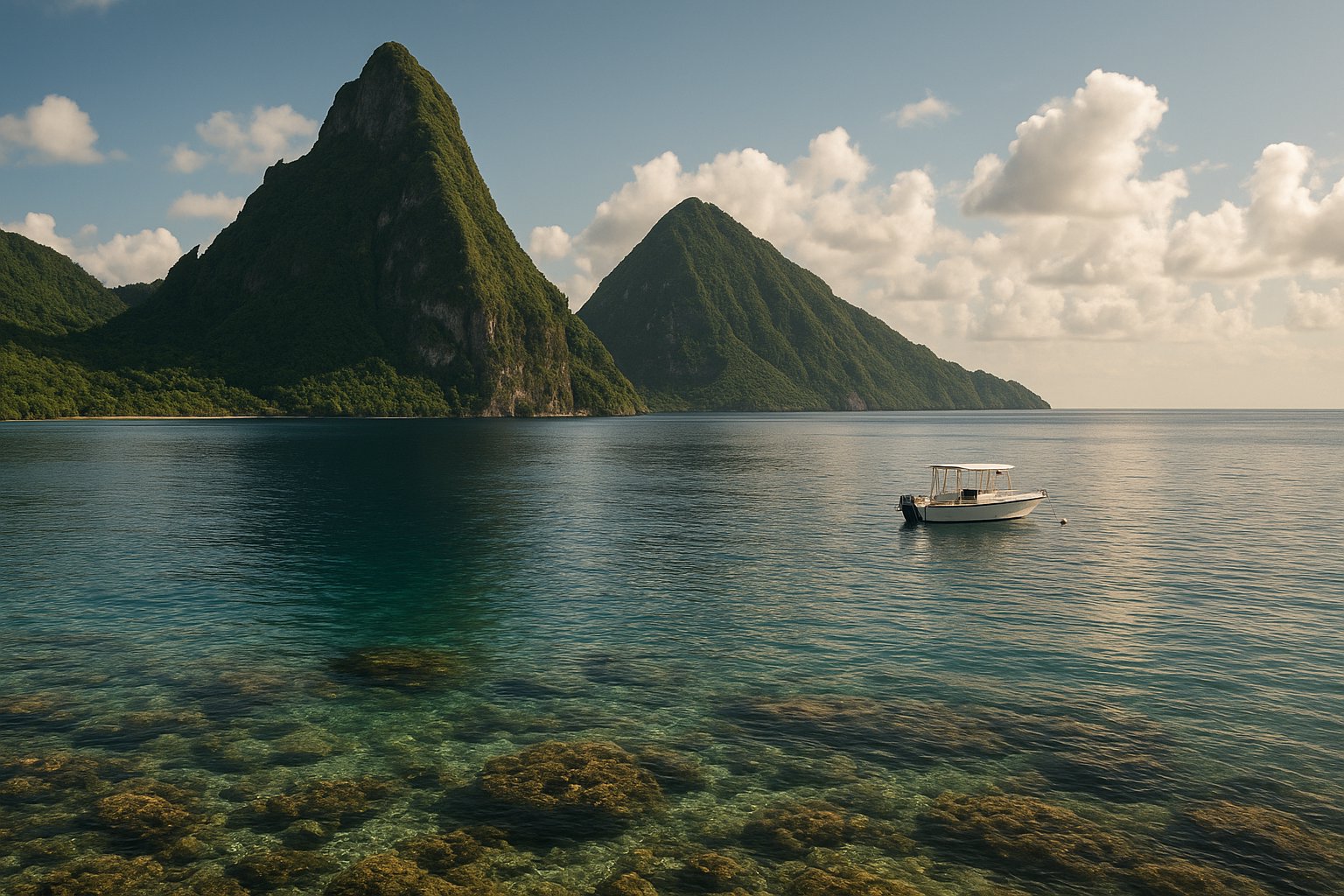
St. Lucia's snorkeling is a west-coast story. The leeward shore is where the island shelters from the Atlantic, and it's where you find the two Pitons rising straight out of the sea, a managed marine area with shallow reef a short swim from the sand, black-sand coves with calm water, and a national landmark peninsula in the north-west with reef in the bays on either side. The Atlantic side takes the swell and is not where you plan a snorkel day — which is fine, because the calm side is where the reef is.
Seasonal guidance, not a forecast — no live tide tables, weather or marine advisories here; check local conditions before you go.
Why St. Lucia is great for snorkeling
Few islands put protected reef this close to the beach. At Anse Chastanet, inside the Soufrière Marine Management Area, the drop-off starts a short swim from the sand under the Pitons — a rare combination of reserve-grade reef, real scenery and an entry you can do without a boat.
The whole leeward coast works the same way: sheltered water, calm mornings, and reef that begins shallow. There's a second bay tucked next door to the famous one, a black-sand bay further north with a protected inner cove, and in the north-west a peninsula where two bays give you a choice of water depending on which way the wind is blowing.
- Marine-management-area reef in swimming distance of the beach
- Reef beneath the Pitons — the island's signature setting
- Several calm west-coast bays, so there's usually a flat option
- A north-west landmark peninsula with two sheltered bays
Best sites to prioritize
Anse Chastanet Marine Reserve is the one to build a day around: shallow coral in clear, sheltered water, directly under the Pitons, with the managed zones' rules keeping the pressure controlled. Anse Mamin is the quiet bay immediately north of it, inside the same management area — same water, a fraction of the traffic — though its shoreline sits on estate land, so check shore access before you plan a walk-in.
Further up the leeward coast, Anse Cochon is a calm black-sand bay with a shallow reef and a protected inner cove, usually snorkeled from a boat or through the properties that front the bay. And in the north-west, Pigeon Island National Landmark gives you a peninsula with reef in the bays on either side, historical ruins above the waterline, and a land entry point rather than a boat.
A practical note on what St. Lucia is not: the Atlantic-facing east coast takes the swell, and the island's famous deep sites around the Pitons are dive sites, not snorkel sites. Snorkelers stay shallow, on the leeward side.
When to go & conditions
The drier months, roughly December to May, tend to bring the calmest seas and the clearest water on the sheltered west coast, and that's the window to aim for if you can. The leeward coast is protected from Atlantic swell, but a long-period swell or a spell of wind can still stir the bays and cut visibility.
From roughly June to November the island is wetter and sits inside the Atlantic hurricane season, so check forecasts and keep plans flexible — boat days get cancelled for weather here like anywhere in the region. Water stays warm year-round; mornings are usually the calmest window before the trade wind builds through the afternoon.
Practical tips
The management area is the reason the reef is in good shape: there are managed zones, mooring rules for boats and a user-fee arrangement, so verify the current rules and what applies to snorkellers locally before you swim. Don't anchor, don't touch, and stay out of the zones marked for other uses.
Boat traffic is the other thing to plan around: dive boats and water taxis work the leeward bays all day. Swim with a marker float, keep clear of the boat lanes, and go early — the mornings are calmer in every sense.
A local west-coast dive shop or skipper is the fastest way to know which bay is clearest on the day you're there, and guides are the sensible option for Anse Cochon and the bays without public shore access.
Planning this trip?
Get the whole journey built end-to-end — flights, stays, boat days, gear and day-by-day timing notes — by the Double Fathom Concierge for a one-time $29. Re-plan any time, chat support through the trip, a destination-specific packing list, curated off-menu operators, and a printable offline PDF itinerary.
Secure checkout by Stripe — pay by card, receipt by email. A one-time, per-trip purchase — nothing recurring, and no rush either way.
Get the occasional best-reef dispatch
Trip-planning tips, seasonal reef picks and new-destination notes. No spam, unsubscribe anytime.
Explore the destination
St. Lucia's sheltered west coast stacks shore-accessible marine-reserve reef, the drama of the Pitons and calm bays where the water lies flat — real coral without needing a liveaboard.
St. Lucia destination guide →