Best Snorkeling in the Balearics
5 min read · Field guide
The Balearics are the approachable end of the Mediterranean clear-water spectrum. Around Mallorca, Menorca, Ibiza and Formentera you get protected coves, shallow clear water and — the unsung star — vast meadows of posidonia seagrass so healthy and important they carry UNESCO listing and are often called the lungs of the Mediterranean. It's an easy, well-served trip where a relaxed cove-hopping itinerary delivers genuinely beautiful, calm snorkeling with far less effort than the remote reefs.
Seasonal guidance, not a forecast — no live tide tables, weather or marine advisories here; check local conditions before you go.
Why the Balearics are great for snorkeling
The Balearics make great Mediterranean snorkeling easy. The islands sit on clear, shallow water, several of the best sites are walk-in or a short boat ride from a well-served coast, and the seagrass system that threads the whole region keeps the water filtered and the wildlife sheltering in one place.
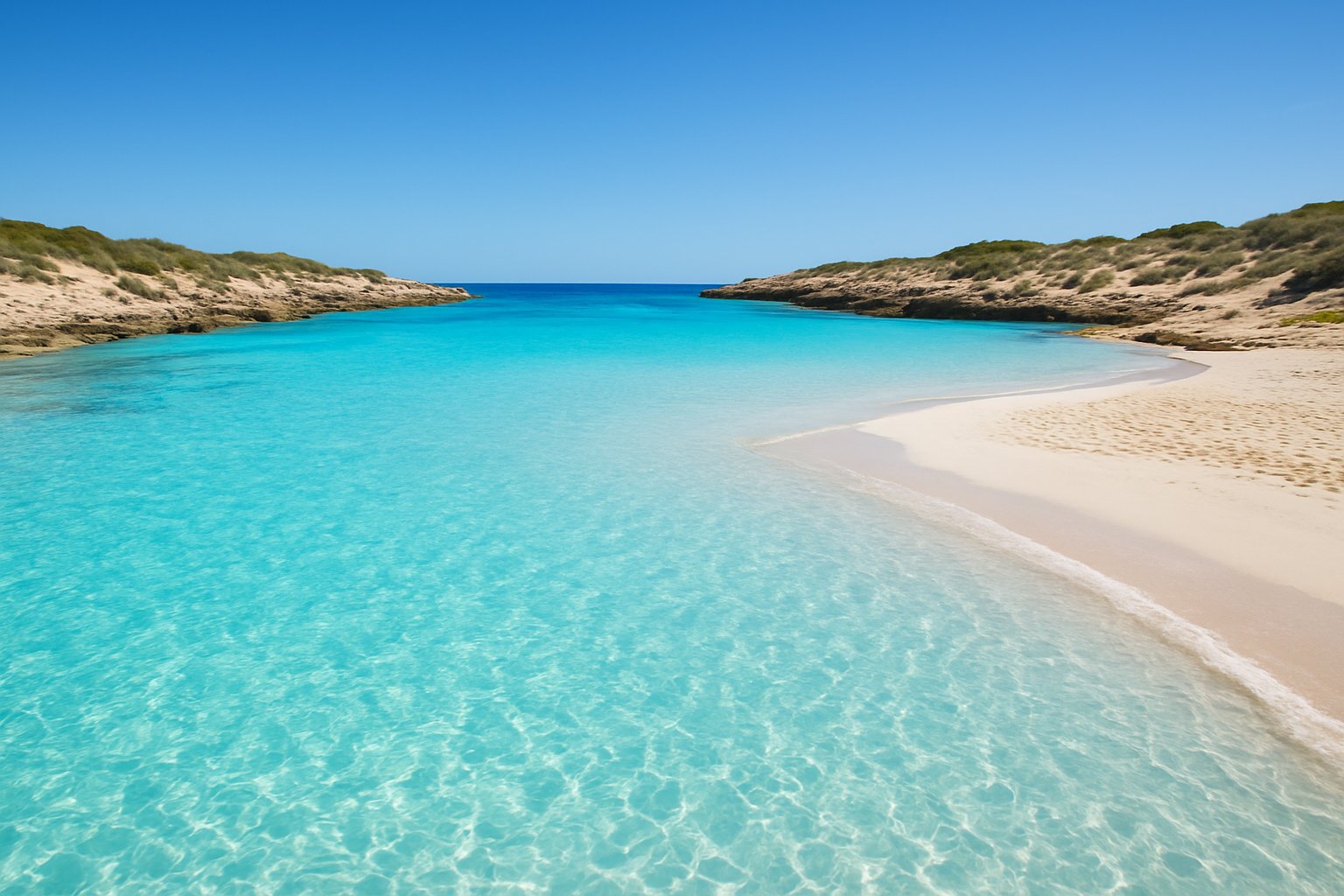
The personality comes from the setting — white-sand coves between green headlands, quiet marine parks, and meadows that drift with light and small life. It's a relaxed, family-friendly trip rather than an expedition, which is a big part of the appeal.
- UNESCO-listed posidonia seagrass meadows — the Med's lungs
- Calm, protected white-sand coves, mostly walk-in
- Rich, healthy marine parks with clear water
- Easy island-hopping on a well-served coast
Menorca's coves & the Cabrera park
Menorca's south coast is the classic island entry — a string of white-sand coves like Cala Macarella and Cala Turqueta with clear shallows and seagrass, calm and family-friendly, and a highlight of any Balearic snorkel trip.
Off Mallorca, the Cabrera archipelago national park offers something wilder: a protected no-take marine park of islets and bays with unusually rich fish life and clear water, reached only by a licensed boat from Mallorca and generally quiet. It's the closest thing in the western Med to a true reserve snorkel.
Mallorca's reserves & the seagrass system
Closer to the built-up coast, the Illes Malgrats marine reserve off south-west Mallorca protects a small island and reef with healthy rocky-reef fish life in clear water, reached by a short boat trip — an easy injection of protected snorkeling without leaving the popular side of the island.
The system's quiet wonder, though, is the posidonia seagrass around Formentera and the Es Freus islets. These great meadows fringing shallow, bright water are UNESCO-listed, shelter plenty of life, and snorkeling slowly over them is a gentle, meditative float through one of the oldest ecosystems in the Med.
Practical tips
Late spring through early autumn gives warm water and calm seas; summer brings the crowds, so mornings and the south-pointing coves stay quietest. A hire car or scooter on Mallorca and Menorca gets you between the coves, while Cabrera and Formentera are boat trips.
The one rule that matters here is protecting the seagrass — anchoring is restricted to preserve the meadows, so use the moorings and licensed operators, keep off the posidonia and coral, and use reef-safe sunscreen. Do that and the Balearics stay the easy, clear-water classic they're meant to be.
Planning this trip?
Get the whole journey built end-to-end — flights, stays, boat days, gear and day-by-day timing notes — by the Double Fathom Concierge for a one-time $29. Re-plan any time, chat support through the trip, a destination-specific packing list, curated off-menu operators, and a printable offline PDF itinerary.
Secure checkout by Stripe — pay by card, receipt by email. A one-time, per-trip purchase — nothing recurring, and no rush either way.
Get the occasional best-reef dispatch
Trip-planning tips, seasonal reef picks and new-destination notes. No spam, unsubscribe anytime.
Explore the destination
Accessible Mediterranean clear water, especially Menorca's protected coves and the UNESCO-listed posidonia seagrass meadows — great for a relaxed, easily-served cove-hopping trip.
Balearics destination guide →