Indo-Pacific
Best Snorkeling in the Maldives
6 min read · Field guide
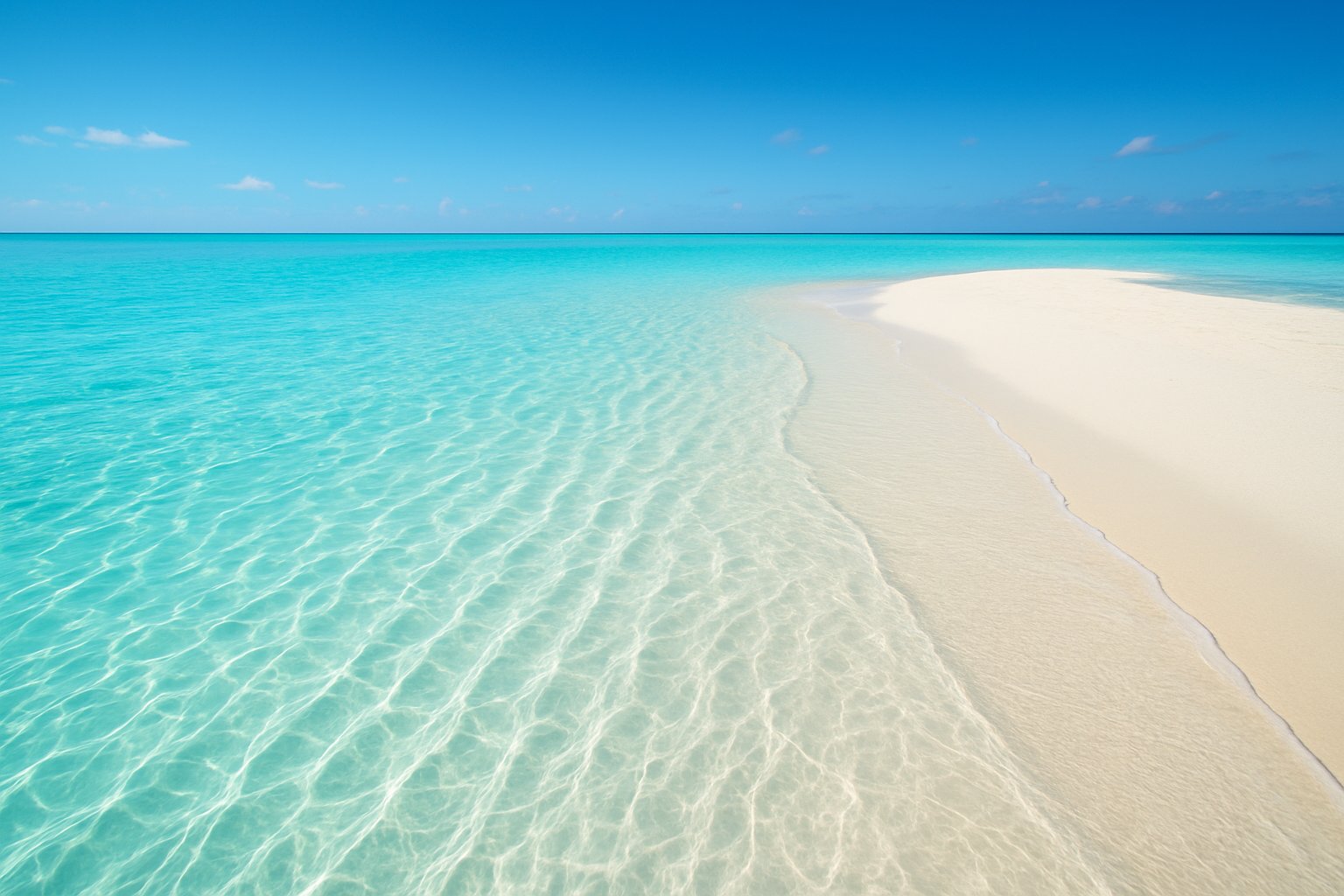
The Maldives is the snorkeler's version of a low-effort, high-reward dream: 26 atolls of near-flat islands ringed by fringing reefs, warm clear water, and some of the easiest access on the planet. In many resorts you simply walk off the beach and fin out over a house reef before breakfast. It isn't the wildest or least-crowded reef in the world, but for consistent clarity, comfortable logistics and headline megafauna like manta rays and whale sharks, very little else matches it.
Seasonal guidance, not a forecast — no live tide tables, weather or marine advisories here; check local conditions before you go.
Why the Maldives is great for snorkeling
The Maldives joins the Coral Triangle in biodiversity terms, with a signature gift for snorkelers: almost every island is encircled by its own reef, so there's always one a short swim from your sunbed. The water stays warm and clear, and the atoll structure channels currents that seasonally feed the region's most famous encounters — manta rays and whale sharks.
That combination of effortless access and real megafauna is what sets the Maldives apart. You don't need to be a strong open-water swimmer or join a liveaboard to see remarkable reef life; you can often do it in flip-flops with a mask in hand.
Best sites to prioritize
Hanifaru Bay in Baa Atoll — a UNESCO biosphere reserve — is the headline. In the wetter season its plankton-rich shallows draw large feeding aggregations of reef manta rays, one of the most celebrated such sights anywhere. The bay is tightly managed, so book through an approved operator.
Outside Baa, a house reef at your own villa or resort is arguably the best-value snorkel on the trip — at its calmest in the morning light. Banana Reef in North Malé Atoll is a celebrated site with good mixed reef life, and many boat trips anchor at remote sandbanks and turtle cleaning stations that reward a longer fin.
When to go & conditions
You'll hear about two seasons. The northeast monsoon, roughly December to April, brings drier skies, less wind and excellent visibility — the classic comfortable window. The southwest monsoon, roughly May to November, is wetter and windier but coincides with the plankton blooms that draw manta rays into Hanifaru Bay and, on the right days, whale sharks.
So pick your priority: calm, clear and easy in the dry season, or the prime megafauna window in the wet season. Water is warm year-round at 28–30°C.
Practical tips
Choose your atoll by goal. Baa Atoll is the destination for Hanifaru manta season; the North and South Malé atolls offer the most convenient house reefs close to the airport transfer. Snorkeling a house reef is free and best at slack tide in the morning, while boat day-trips add off-shore sites and variety.
Currents in the atoll channels can run, so stick to reef flats and calm mornings unless you're with a guide. Reef-safe sunscreen is the rule across the atolls, and it protects both you and the coral you came to see.
Plan the trip: verified tours & stays
Boat days, reef tours, transfers and where-to-stay picks for this destination, linked on verified booking partners. Availability and live pricing are shown on the partner site at booking time.
Book this tour on Viator ↗
3 Point Snorkeling Safari
from $100Maafushi: Airport Transfer by Speedboat
from $48Malé hotels on Booking.com
Affiliate links — we may earn a commission at no extra cost to you. Prices shown are indicative “from” amounts, not live or guaranteed.
Planning this trip?
Get the whole journey built end-to-end — flights, stays, boat days, gear and day-by-day timing notes — by the Double Fathom Concierge for a one-time $29. Re-plan any time, chat support through the trip, a destination-specific packing list, curated off-menu operators, and a printable offline PDF itinerary.
$29 / trip · one-timeBuy Concierge — $29
Secure checkout by Stripe — pay by card, receipt by email. A one-time, per-trip purchase — nothing recurring, and no rush either way.
Get the occasional best-reef dispatch
Trip-planning tips, seasonal reef picks and new-destination notes. No spam, unsubscribe anytime.
Explore the destination
Big marine life in warm, calm water. The Maldives' house reefs put a reef at the end of your jetty, and occasional seasonal manta aggregations make it a favourite for turtle and manta travellers.
Maldives destination guide →