Daymaniyat Islands, Oman
Indo-Pacific

Daymaniyat Islands

Oman's turtle-nesting reserve — snorkeling only out of season, and that closure is the whole story.

32

Double Fathom ranking

The closed-season reserve

Best for

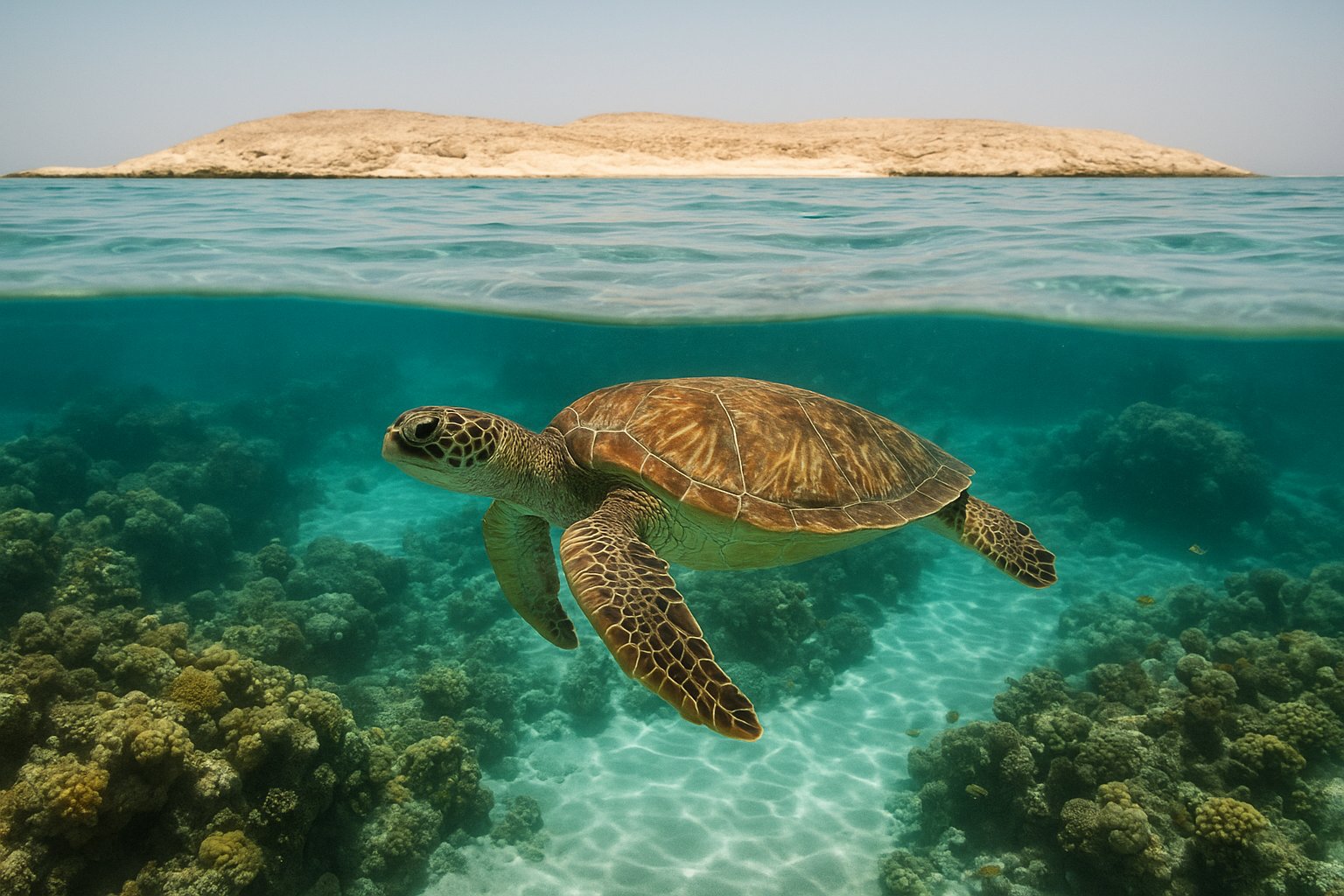
The Daymaniyat Islands are a small nature reserve in the Gulf of Oman, reached by boat from Muscat or Al Sawadi, and they hold the best shallow reef water in the country: coral gardens and notably rich fish life for the Gulf, in a few metres of clear, warm water. The one fact that shapes every trip is a closure — the reserve shuts to visitors through turtle-nesting season, roughly May to October, so snorkeling here happens in roughly November to April and at no other time. Plan around that window and this is a genuine, well-managed Gulf reef; ignore it and there is no trip at all. Oman has other sheltered water nearby, including Bandar Khayran's coves and mangroves, which is where local operators go when the wind is up.

Reserve reef · Hard season

Key sites to explore

The distinctive underwater sights worth planning around. Descriptions are curated planning info — always verify local access, rules and conditions before you set out.

01

The reserve's reef flats

Reef

📍 The Daymaniyat (Damaniyat) island group, Gulf of Oman

Coral gardens in a few metres of water around the reserve's islands, with the richest fish life you will find in shallow Gulf water: reef fish, morays and the turtles the reserve is protected for. Everything worth seeing here happens inside snorkel range, which is exactly what makes these islands the country's snorkeling destination.

The closure is not a guideline: the islands are closed to visitors during turtle-nesting season, roughly May to October, so the snorkeling season runs roughly November to April. The dates in force are set by the authorities and can be extended, so verify the current closure locally before you book anything.

02

The sheltered western bays

Lagoon

📍 The leeward side of the Daymaniyat island group

The calm anchorages on the islands' sheltered side, where day boats moor and the water settles flat enough to snorkel even when the open Gulf is choppy. This is where most of the actual swimming happens, in shallow water over sand and coral heads.

There is no shore access to any of this: you reach the reserve by boat from Muscat or Al Sawadi, and landing on the islands is restricted so the nesting beaches stay undisturbed. Shelter is what makes the bays workable, so wind decides the day rather than your itinerary.

03

The drop-offs beyond the flats

Reef

📍 The outer edges of the Daymaniyat island group

Outside the shallow flats the reef falls away into deeper water, and those edges — worked by local dive boats — hold the larger fish life that the Gulf is not usually known for.

Make no mistake about which is which: the drop-offs around the Daymaniyats are dive sites at depth, and the interesting water is out of snorkeling range. The snorkeling here is the shallow flats and the sheltered bays; this site is listed so the split is explicit.

04

Bandar Khayran

Mangrove

📍 East of Muscat, Gulf of Oman coast

A sheltered inlet of coves, mangrove stands and small rocky islands just outside the reserve, and the most useful alternative water in the area: when the wind makes the open Gulf unpleasant, Bandar Khayran's mangroves and inlets stay flat. Local operators run boat days here year-round.

Bandar Khayran is shelter rather than a park — there is little visitor infrastructure and no signage, so go with a local skipper who knows the channels, and give the mangrove roots room: they are the nursery that keeps the rest of the bay alive.

05

Fahal Island

Reef

📍 Offshore from Muscat, Gulf of Oman

A small rocky island in open water off Muscat, with coral around its flanks and a long-established local diving scene — the closest reef water to the capital.

Fahal is best known as a dive site; only the shallower reef shelf around it is in snorkel range, and the island offers no shelter of its own, so it works on a calm day and not otherwise. Ask a local operator whether the day's conditions suit snorkeling there before you commit.
Snorkeling in Daymaniyat Islands: quick answers

When can you snorkel the Daymaniyat Islands?
Roughly November to April. The reserve closes to visitors during turtle-nesting season, roughly May to October, and the dates in force are set by the authorities and can be extended — verify the current closure locally before booking. There is no shore access, so the trip is a boat day from Muscat or Al Sawadi.
How do you get to the Daymaniyat Islands?
By boat only, on a local operator's day trip from Muscat or Al Sawadi — there is no independent route in and no shore access. Landing on the islands is restricted so the nesting beaches stay undisturbed, which means the day is spent in the water and on the boat rather than ashore, and you should book ahead because the open season is short.

Local food gems

Eat like a local — three off-the-radar spots to round out a day in the water. Spots above the tourist strip, found by asking where the boat crews and neighbours actually eat.

01

Mashuai and the Muscat fish market

Muttrah / Muscat

Oman's Gulf catch is kingfish, and mashuai — kingfish split, marinated in lime and spice and grilled over charcoal — is the Omani answer to a fish supper. The market at Muttrah is where the boats land it in the morning, and the smell of charcoal and lime around it is the coast's signature.

Tip: Go in the morning to see the landings, then eat mashuai for lunch; it is a lunch dish rather than a dinner one.

02

Omani halwa with kahwa

Muscat and the souqs

Omani halwa is a dense, gelatinous sweet of starch, sugar, saffron, rosewater and nuts, served in small squares with cardamom-scented coffee (kahwa) and dates. It is the country's hospitality ritual — you will be offered it in shops, offices and homes, not just restaurants.

Tip: Take it with the coffee from the right hand, and expect to be offered more than once; that is the custom, not the upsell.

03

Majboos, the everyday Omani plate

Muscat, Al Sawadi and the Al Baturnah coast

Majboos is spiced rice cooked with chicken, lamb or fish in one pot until the grains take the stock — the everyday Omani meal, sold in plain local restaurants and cooked at home, with dried lime and baharat doing the work.

Tip: It is usually the cheapest thing on a menu and the one the kitchen eats itself: order the fish version on the coast.

Planning Daymaniyat Islands?

Get the whole journey built end-to-end — flights, stays, boat days, gear and day-by-day timing notes — by the Double Fathom Concierge for a one-time $29. Re-plan any time, chat support through the trip, a destination-specific packing list, curated off-menu operators, and a printable offline PDF itinerary.

$29 / trip · one-timeBuy Concierge — $29

Secure checkout by Stripe — pay by card, receipt by email. A one-time, per-trip purchase — nothing recurring, and no rush either way.

Ready to plan Daymaniyat Islands properly?

The free Mission Briefing is one fixed Raja Ampat sample — not a custom build. To have this destination planned properly, the $29 Concierge tier plans around your dates and re-plans as often as you like.