Saudi Red Sea coast (Umluj, Al Wajh, Yanbu)
Indo-Pacific

Saudi Red Sea

Newly opened, lightly dived, still being built — reef that tourism has barely touched.

31

Double Fathom ranking

The frontier

Best for

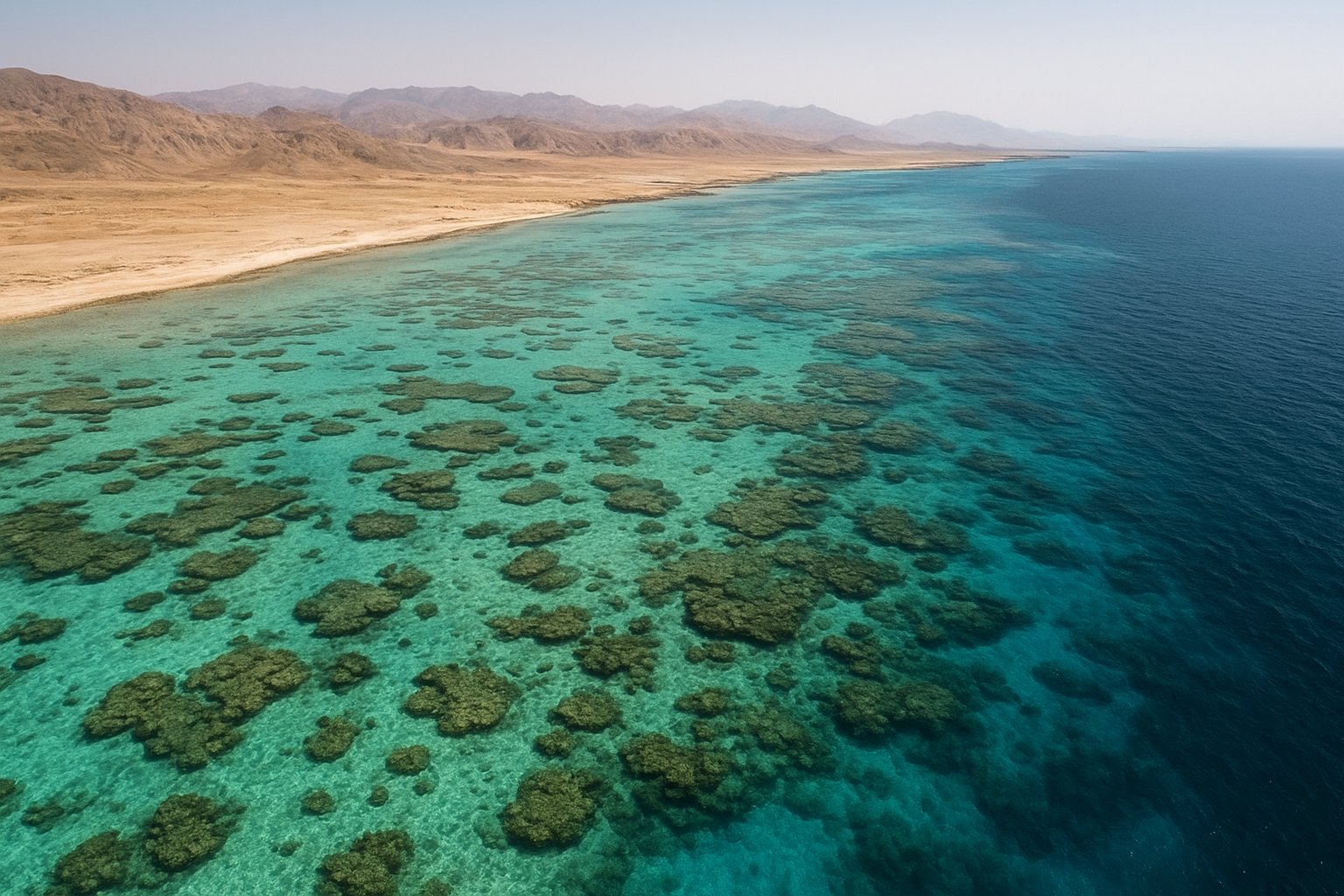
Saudi Arabia's Red Sea coast is the newest and least developed snorkeling region in this catalog, and both halves of that sentence are the point. The country opened to leisure tourism in 2019 with an e-visa, and the reef along the northern coast — Umluj, Al Wajh, the huge Al Wajh Bank offshore, Yanbu, and the NEOM project's Sindalah island — has seen a small fraction of the diving pressure that Egypt's coast, a few hundred kilometres north-west, handles every season. What that means in practice is genuine frontier reef alongside genuine frontier logistics: licensed snorkel and dive operators are few, what exists changes quickly, and a lot of the best water is a boat day or a liveaboard away rather than a walk off a beach.

Newly opened · Undeveloped reef

Key sites to explore

The distinctive underwater sights worth planning around. Descriptions are curated planning info — always verify local access, rules and conditions before you set out.

01

The Umluj island group

Reef

📍 Umluj, Tabuk province, northern Red Sea coast

A scatter of low, undeveloped islands and sandbars with fringing coral, pale shallows and very little traffic — the stretch that earned Umluj its local 'Maldives of Saudi Arabia' nickname. The snorkeling is the island fringes and the shallow reef between them, in clear, warm, uncrowded water.

Treat the nickname as marketing rather than a condition report. Infrastructure here is still thin and changes fast: licensed boat operators, rental gear and permits are limited, so verify what is actually running on your dates before building a trip around it, and be prepared to arrange access around Umluj rather than to find it waiting at a jetty.

02

Al Wajh Bank & Al Wajh lagoon

Reef

📍 Offshore from Al Wajh, Tabuk province

A vast offshore reef province of banks, small atolls and lagoons, and the least-visited big reef system on the Saudi coast. It is the reason liveaboard and expedition diving is growing here: coral, drop-offs and large fish life across an enormous area of water with almost no other boats on it.

Be clear about what is in snorkel range: much of Al Wajh Bank sits at diving depth, and the realistic snorkeling is the shallow lagoon and island fringes on a licensed boat day or liveaboard. Surface access, permits and operator availability are all still developing — confirm locally, and do not assume a scheduled day trip exists.

03

Yanbu's fringing reef

Shore reef

📍 Yanbu al Bahr, Al Madinah province

A historic Red Sea port with reef running close inshore, and one of the few places on this coast where coral fringing the shore has long supported a local diving scene alongside the town's working harbour.

Yanbu is an industrial port as well as a diving town, and some shoreline and water is off-limits to the public — local guidance, not a brochure, decides where you can get in. Verify access and any restrictions locally rather than assuming a public beach entry.

04

Sindalah (NEOM)

Reef

📍 The NEOM region, north-west Saudi Arabia

Sindalah, NEOM's first island destination, has been opening in phases in recent years with a marina, resort accommodation and a surrounding Red Sea reef that is among the least-visited water in the country. It is the most turnkey way to reach Saudi reef water — and the most expensive.

This is a resort-based, high-cost route to the reef inside a mega-project that is still being built, so what is open shifts from season to season. Snorkeling here generally means a resort marine programme or a hotel-arranged boat rather than an independent trip; verify what currently exists before you plan around it.

05

The Farasan Islands

Marine reserve

📍 Off Jazan, southern Red Sea, near the Yemeni border

A protected archipelago of coral reef, mangroves and islands in the southern Red Sea, with a much longer history of local use than the northern coast and a nature reserve's worth of rules around it.

Farasan is not a stop on a northern-coast trip: it is a separate journey from Jazan in the far south-west, with its own transport, heat and remoteness, and it is a reserve with rules of its own. Verify access, transport and any guide or permit requirements locally before treating it as part of a Red Sea itinerary.
Snorkeling in Saudi Red Sea: quick answers

Can you snorkel Saudi Arabia's Red Sea coast?
Yes, with an honest caveat: the country opened to leisure tourism in 2019 and the northern coast's reef is lightly visited, while licensed snorkel and dive operators are still few and what exists changes quickly. Umluj's island fringes are the easiest water to reach, much of Al Wajh Bank sits at diving depth and needs a boat day or liveaboard, and Sindalah is a resort-based route. Verify what is running on your dates before you plan.
Is Umluj really the 'Maldives of Saudi Arabia'?
That nickname describes the look of the pale shallows and low islands rather than the infrastructure around them. Umluj's island group is genuinely undeveloped, licensed boat operators are limited and rental gear is thin, so treat the label as marketing and expect to arrange your own access rather than find it waiting at a jetty.

Local food gems

Eat like a local — three off-the-radar spots to round out a day in the water. Spots above the tourist strip, found by asking where the boat crews and neighbours actually eat.

01

Hijazi mutabbaq in Al-Balad

Historic Jeddah (Al-Balad)

Mutabbaq is a thin folded pastry packed with spiced minced meat, leek and egg, griddled until the outside crisps — a Hijazi street food with roots in the port's trading history, and the snack that best fits a walk through Jeddah's old town.

Tip: Eat it hot, standing, straight off the griddle; it is a street snack rather than a restaurant dish.

02

Saleeg and mandi, the Hijazi table

Jeddah and the western coast

The west of Saudi Arabia eats rice two ways worth knowing: saleeg, rice cooked down in milk until creamy and served with roast chicken or lamb, and mandi, meat or chicken slow-cooked over a fire in a sealed pit and served over spiced rice. Both are communal, generous and unmistakably regional.

Tip: Both are usually shared dishes ordered by the platter rather than by the person — go with people, or order small.

03

Red Sea grilled fish and Omani-style dates with coffee

The Jeddah and Yanbu coast

The Red Sea coast eats its own catch: whole fish grilled or fried and served with rice, tahini and salad, often in simple places near the fishing harbours. Finish with Arabic coffee and good dates, which is how a Saudi meal actually ends rather than dessert.

Tip: In a seafood restaurant, ask which fish is local and in season rather than choosing from the imported options on the menu.

Planning Saudi Red Sea?

Get the whole journey built end-to-end — flights, stays, boat days, gear and day-by-day timing notes — by the Double Fathom Concierge for a one-time $29. Re-plan any time, chat support through the trip, a destination-specific packing list, curated off-menu operators, and a printable offline PDF itinerary.

$29 / trip · one-timeBuy Concierge — $29

Secure checkout by Stripe — pay by card, receipt by email. A one-time, per-trip purchase — nothing recurring, and no rush either way.

Ready to plan Saudi Red Sea properly?

The free Mission Briefing is one fixed Raja Ampat sample — not a custom build. To have this destination planned properly, the $29 Concierge tier plans around your dates and re-plans as often as you like.